
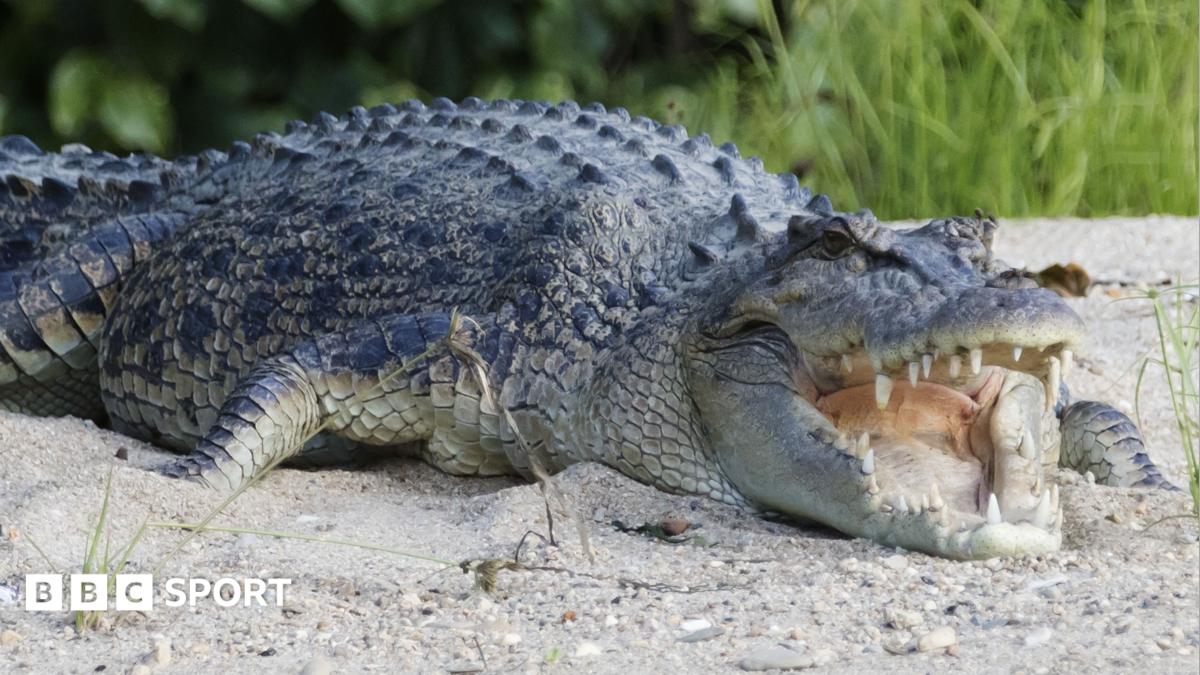
An Australian waterway that serves as the natural habitat for an estimated 500 saltwater crocodiles has officially received technical clearance to stage rowing and canoeing competitions during the Brisbane 2032 Olympic and Paralympic Games. The decision confirms the selection of the Fitzroy River in Rockhampton, Queensland, as the primary stage for flatwater racing events at the future Games.
The approval follows the completion of an independent technical assessment tasked with determining whether the course is capable of hosting world-class regattas. The specialized review concluded that the site satisfies the necessary sporting criteria, clearing a major administrative hurdle for local organizers and international sports federations.
Notably, the scope of the technical assessment did not examine the presence or behavior of the local crocodile population. Instead, investigators concentrated on how the course would respond to an array of environmental variables, including fluctuating weather conditions, shifting water levels, and overall flood risks during both the lead-up period and the competition window.
The comprehensive study was commissioned by the Games Independent Infrastructure and Coordination Authority, known as GIICA. In its findings, the authority underscored that the Fitzroy River Flatwater Facility is not an unproven venue, pointing out that it is already routinely utilized for regional school championships, local regattas, and high-performance training camps by national squads.
Because the location is already operational as an established flatwater sporting facility, established safety protocols and contingency plans are maintained to handle scenarios where crocodiles are sighted. Olympic organizers and technical officials have previously received assurances regarding athlete safety on the waterway.
Saltwater crocodiles, frequently referred to in Australia as "salties," represent the largest living reptile species on the planet. These powerful apex predators are capable of thriving in both marine and freshwater habitats, with fully grown specimens known to reach lengths exceeding six metres.
Despite the wildlife presence, international governing bodies have formally endorsed the venue. World Rowing president Jean-Christophe Rolland confirmed his organization’s backing, stating that detailed technical evaluations demonstrated the Fitzroy River can provide fair racing conditions that meet the rigorous standards expected of Olympic and Paralympic rowing regattas.
Similarly, Paddle Worldwide—the governing body formerly known as the International Canoe Federation—offered its full support for the venue. The organization's president, Thomas Konietzko, noted that the depth and quality of the technical analysis significantly advanced their understanding of the field of play, instilling confidence that the venue can stage fair canoe sprint competitions.
Brisbane 2032 organizing committee president Andrew Liveris welcomed the technical endorsement, emphasizing that the positive assessment brings much-needed certainty to the planning process. Liveris stated that the outcome allows operational and design teams to concentrate their preparations exclusively on the Rockhampton facility as the project enters its next delivery phase.
Liveris had previously brushed aside worries concerning the presence of dangerous wildlife in the region. Addressing concerns last year, the organizing chief compared the situation to surfers sharing ocean waters with sharks, urging critics to adopt a constructive mindset focused on solutions rather than insurmountable obstacles.
However, the decision to stage premier Olympic events in a crocodile-inhabited river has drawn scrutiny from elite competitors. Former Australian rowing champion Drew Ginn, who secured three Olympic gold medals during his distinguished athletic career, expressed several reservations during an interview with BBC Radio regarding the practicalities of the venue.
Reflecting on the wildlife risk, Ginn humorously suggested that the immediate threat of predatory reptiles would likely motivate competitors to row at faster speeds. Nonetheless, he questioned whether international sports bodies should place athletes in situations requiring the relocation or active management of dangerous animals during the Games.
Beyond the presence of reptiles, Ginn raised technical concerns regarding competitive integrity, weather, and water movement. He warned that flood risks and environmental inconsistencies between separate racing lanes could potentially introduce time variations of two to three seconds, a major disruption in an elite sport where podium places are frequently decided by fractions of a second.
The decorated Olympian also voiced disappointment regarding the geographic isolation of the venue. With Rockhampton situated approximately six to seven hours away from the central host city of Brisbane, Ginn argued that dispersing core sporting events so far from the Olympic hub risks diminishing the overall celebratory experience for both competitors and visiting spectators.
Notwithstanding these concerns, Olympic planners and global sporting federations are moving forward with their operational blueprint for Rockhampton. The venue will remain a focal point of infrastructure development as Queensland continues its multi-year preparations toward hosting the 2032 Olympic and Paralympic Games.





(0)