
Administering prescribed oral treatments to a sick pet can quickly escalate into a stressful struggle, especially when the patient is a reluctant feline. To help pet owners navigate these daily domestic challenges, Jennifer Vanderau, public relations coordinator for the Cumberland Valley Animal Shelter, regularly provides practical animal care guidance through the organization's educational outreach initiative, "Ask the Shelter."
Addressing a common dilemma faced by owners dealing with feline bacterial infections, Vanderau recently outlined practical strategies for administering antibiotic pills to resistant cats. The shelter emphasizes that while medicating a companion animal can cause significant strain for both the guardian and the pet, utilizing proper techniques and understanding feline behavior can make the process much smoother and safer.
For many households, the most straightforward approach involves hiding the medicine inside appetizing treats. Cat guardians are encouraged to try concealing the tablet inside a small sphere of moist canned food or using commercial pill-masking paste pockets sold at local pet supply retailers. However, because cats are exceptionally perceptive animals, some will adeptly eat around the treat and spit the medication back out.
When food concealment fails, owners may be tempted to crush the medication into a powder, but shelter experts strongly advise against this practice. Crushing or cutting antibiotic pills exposes their bitter, unpleasant taste, which frequently causes the cat to completely reject its food. Furthermore, scattering fragmented medicine throughout a meal makes it nearly impossible for the owner to verify whether the animal received the entire prescribed therapeutic dose.
When direct administration becomes necessary, the shelter recommends safely securing the animal by gently grasping the loose fur at the back of the neck, a handling method commonly known as scruffing. By carefully tilting the cat's head backward while holding the scruff, the lower jaw naturally relaxes and drops open, allowing the handler to quickly place the tablet directly into the mouth.
To safeguard human fingers from accidental bites and ensure the medicine is positioned accurately, caregivers can utilize an inexpensive veterinary tool known as a pill popper. This device allows the user to deposit the tablet directly into the posterior region of the feline’s oral cavity, preventing the cat from easily batting it away or chewing it with its sharp teeth.
Once the tablet is positioned deep within the cat's throat, the handler should gently hold the pet's mouth closed while softly massaging the neck area to prompt a swallow. Vanderau notes that caregivers can also trigger an innate swallowing reflex by lightly blowing a brief puff of air directly onto the feline’s nose.
After confirming that the tablet has been swallowed, pet owners should take the essential safety step of administering a small quantity of fresh water using an eyedropper or oral syringe. Washing the tablet down is critical because dry medications can lodge in the feline esophagus, potentially causing severe tissue irritation or lasting physical damage before reaching the stomach.
If an owner exhausts these home techniques without success, consulting a veterinarian remains the best course of action. Veterinary clinics can offer hands-on demonstration tips or explore alternative prescription formats, such as converting standard solid antibiotic pills into palatable liquid suspensions that are significantly easier to administer to stubborn pets.
Beyond household pet care, the shelter's public educational efforts also extend to local wildlife conservation. When suburban residents encounter native animal nests—such as infant cottontail rabbits uncovered during lawn mowing—the shelter stresses that human non-interference is typically the safest policy.
Because mother rabbits intentionally stay away from their nests during the day to avoid attracting predators, baby bunnies that appear abandoned are usually safe and waiting for their parent's return. Property owners are advised to leave the nesting site completely undisturbed and monitor the area for one to two days. If the mother fails to return, residents should contact professional resources such as the Pennsylvania Association of Wildlife Rehabilitators via pawr.com to determine the safest next steps.
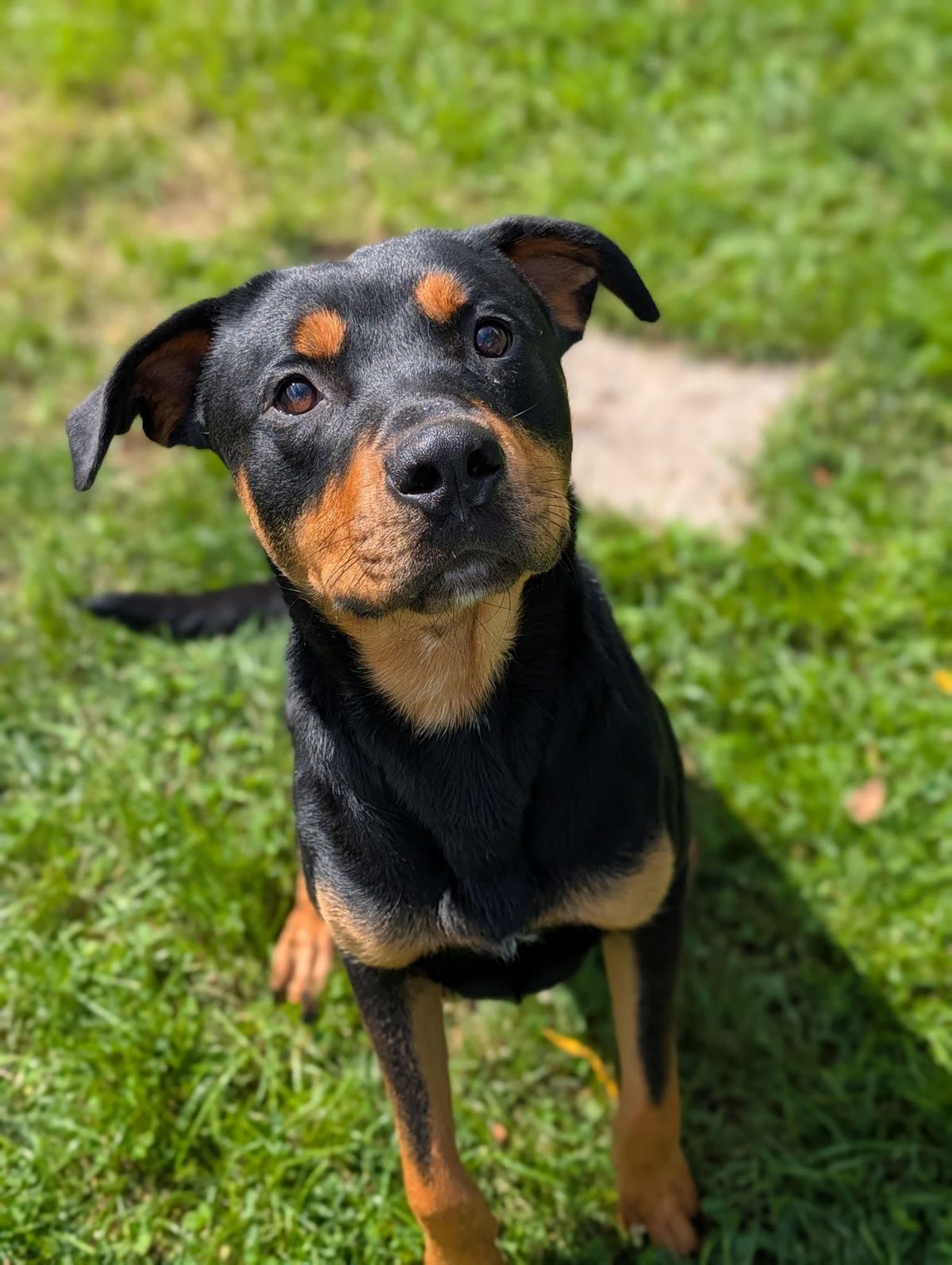
Alongside its community educational mission, the Cumberland Valley Animal Shelter continues to facilitate pet adoptions for animals seeking permanent homes. Among the current residents is Logan, a sweet one-year-old Rottweiler mix who initially entered the facility as a stray. While initially reserved in unfamiliar surroundings, Logan exhibits an energetic, playful personality once comfortable, currently knows the "sit" command, and will require a home with fully supervised cat introductions and meetings with all resident human family members.
Feline adopters can also meet Mordecai, an affectionate four-month-old buff and orange kitten who arrived alongside his littermates, Princess Donut, Carl, and Zev. Known around the facility for his constant motor-like purr, sweet disposition, and prompt mealtime habits, Mordecai is ready to provide years of devoted companionship to an adoptive family.
Community members seeking additional advice on domestic pet management, animal welfare concerns, or shelter adoptions are encouraged to contact Jennifer Vanderau at the Cumberland Valley Animal Shelter by email at cvascomm@cvas-pets.org or by telephone at 263-5791.






(0)