
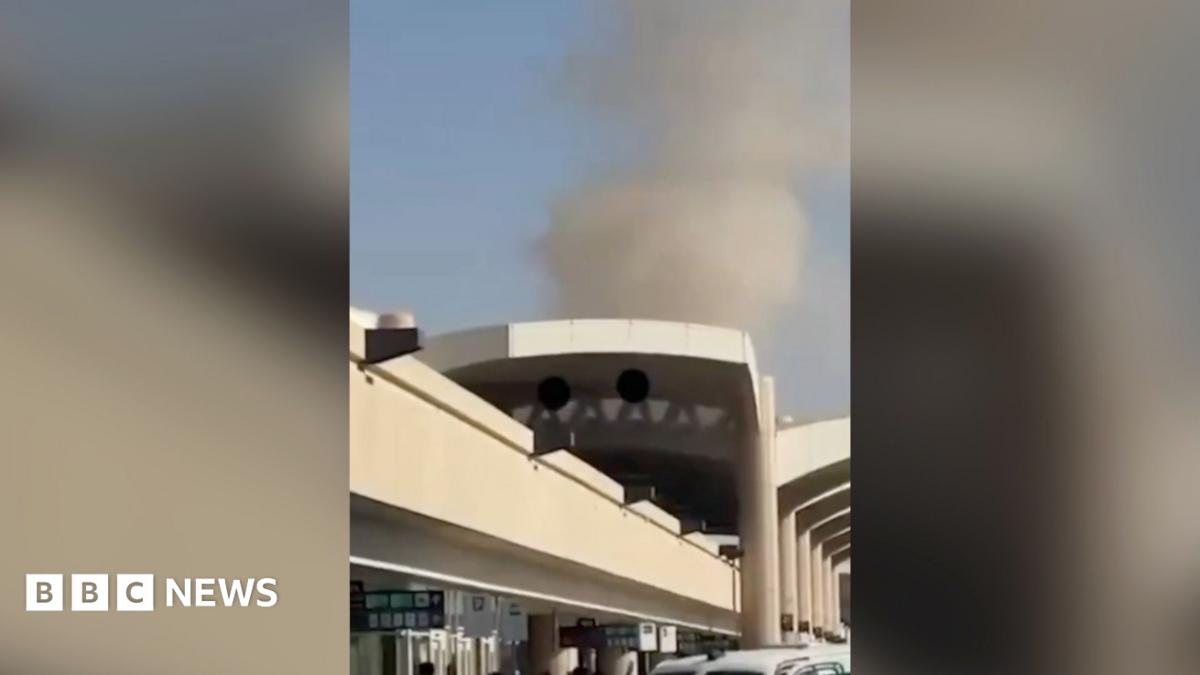
For the second consecutive day, Saudi Arabia's King Khalid International Airport in Riyadh has come under attack, with a projectile striking the facility on Sunday and igniting a fire inside one of its passenger terminals, according to Saudi military officials. The kingdom's civil aviation authority confirmed that the incident resulted in injuries, though it did not immediately provide specific figures. The assault marks a sharp escalation in a conflict that has already claimed numerous lives this week and raised serious concerns about the safety of civilian aviation across the region.
The latest strike follows a devastating attack on Saturday that killed 13 people and wounded 308 others at the same airport, making it the single deadliest assault on a Gulf Arab nation since a broader war involving Israel, the United States, and Iran began in February. The victims of Saturday's attack represented a diverse array of nationalities, underscoring the international dimensions of the conflict. According to Saudi civil aviation authorities, those killed included four Saudi nationals, two Bangladeshi citizens, and one person each from the United States, Jordan, Palestine, Syria, Sudan, and Egypt.
The violence continued to claim lives even after the initial attack, with the Indian embassy in Saudi Arabia announcing on Sunday that an Indian national had died from injuries sustained during the strike. US Secretary of State Marco Rubio publicly condemned the attacks and verified that an American citizen was among those killed. British Foreign Secretary Ed Miliband expressed that he was "appalled" by the violence, reflecting the growing international outrage over the targeting of civilian infrastructure.
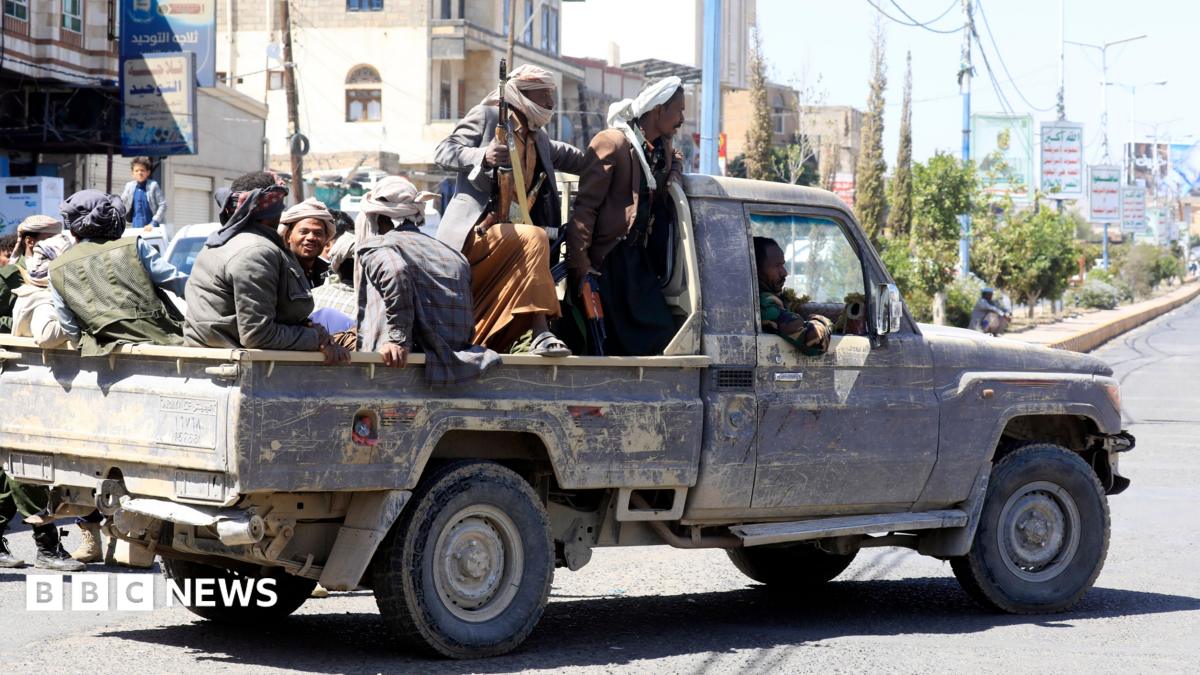
The Houthi movement in Yemen has claimed responsibility for the attacks, stating that it deployed a combination of ballistic missiles, cruise missiles, and drones against the airport over the past 24 hours. Brigadier General Yahya Saree, the group's military spokesman, further revealed that the Houthis had also targeted oil facilities and Dammam airport in eastern Saudi Arabia. He issued a stark warning, declaring that all Saudi airports would remain potential targets, with the sole exception of those located in the holy cities of Mecca and Medina.
In a direct threat to commercial aviation, the Houthis cautioned airlines and passengers against using Saudi Arabian airports and airspace. The group has justified its campaign by citing Saudi Arabia's support for government forces in Yemen's ongoing civil war, as well as a retaliatory air strike on Sanaa International Airport in Yemen's capital. Houthi-run Al Masirah television reported that "the Saudi enemy" had launched an attack on the Sanaa facility, though Saudi authorities have not confirmed this claim, and the BBC has been unable to independently verify the assertion.
Saudi military officials provided their own account of Sunday's attack. Major General Turki al-Maliki, spokesman for the Saudi-led military coalition, stated that air defense systems had intercepted a missile in the vicinity of Riyadh's airport while emergency crews responded to a fire caused by what he described as an "unknown projectile" that struck Passenger Hall No. 4. The conflicting narratives highlight the fog of war that often obscures the full picture of such rapidly evolving events.
The recent spate of attacks represents a dramatic intensification of hostilities that had been relatively contained since a temporary ceasefire between the Houthis and Saudi-led forces was brokered in 2022. That fragile truce collapsed in July, reopening a front that had provided a measure of relief to civilians on both sides of the border. The conflict further deteriorated after Houthi fighters launched a rapid offensive that seized strategically important stretches of Yemen's Red Sea coastline, prompting retaliatory Saudi strikes. Yemeni pro-government forces later claimed to have recaptured those regions.
The pattern of violence this week has been relentless. Thursday's strike on Riyadh's airport killed three Saudi nationals, with the Houthis claiming responsibility and stating they had used cruise missiles in that attack. In the two days preceding that incident, there were two additional deadly attacks on Saudi airports in Abha and Riyadh. The cumulative effect has been a sustained assault on the kingdom's aviation infrastructure that shows no signs of abating, raising questions about the effectiveness of Saudi air defenses and the vulnerability of civilian targets.
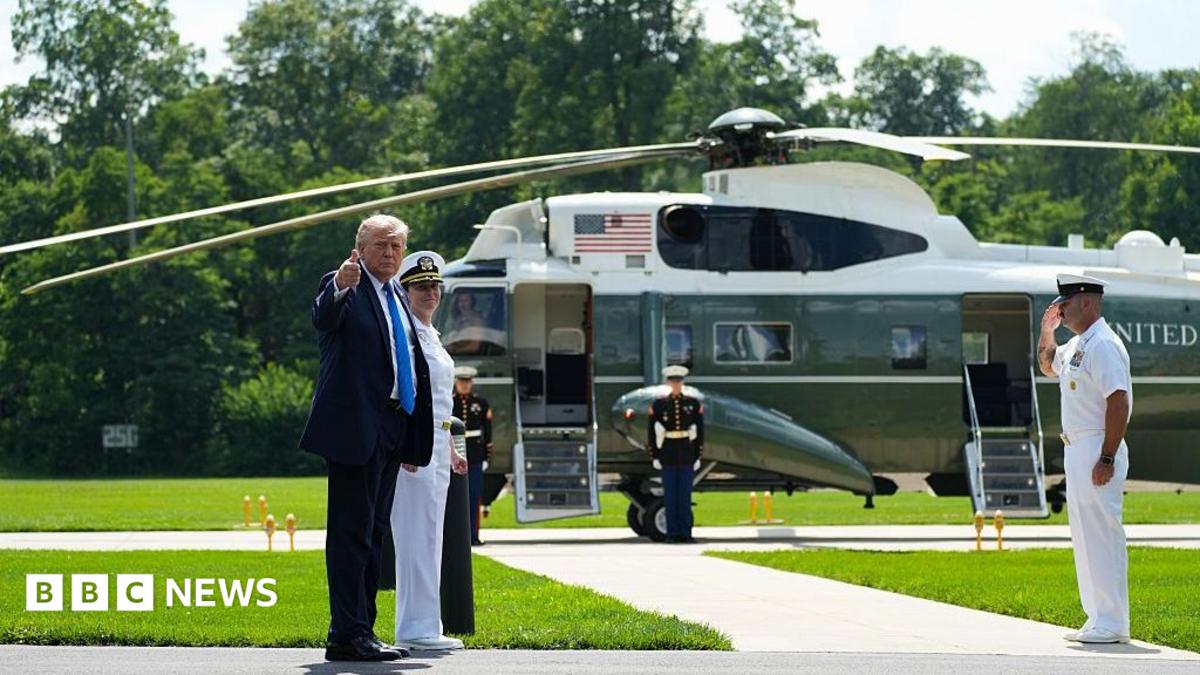
International responses to the escalating crisis have been swift but varied in their commitments. US President Donald Trump indicated that Washington would "make a decision" and "move very quickly" regarding whether to launch military strikes against the Houthis. UK Defence Secretary Wes Streeting suggested that Britain could "potentially" provide additional support to Saudi Arabia, though he stopped short of specifying what form such assistance might take. These statements suggest that Western powers are weighing their options carefully, balancing the desire to support a longstanding ally against concerns about being drawn into another protracted Middle Eastern conflict.
The Saudi-led coalition has vowed to respond to Saturday's attack, which it characterized as a "war crime" given the targeting of civilian infrastructure. Abdullah Al-Alimi Bawazir, vice-president of Yemen's internationally recognized government, called for "decisive actions" from regional and international partners, reflecting the pressure on anti-Houthi forces to mount a meaningful response. The question of what form that response might take—and whether it would deter further attacks or simply perpetuate the cycle of violence—remains a critical consideration for policymakers across the region.
Western governments have moved to protect their citizens amid the deteriorating security situation. The UK Foreign Office is now advising against all travel to parts of Saudi Arabia, specifically including areas within 10 kilometers (6.2 miles) of the border with Yemen. Other Western embassies have issued similar warnings to their nationals regarding travel in the region. These advisories signal a broader recognition that the conflict, which had previously been largely contained to Yemen's borders, is now posing direct risks to foreign visitors and residents in Saudi Arabia.
To understand the current escalation, it is necessary to examine the broader trajectory of the Yemen conflict. The Houthis currently control approximately a quarter of Yemen's territory and govern as much as 80 percent of the country's population. The Iran-backed armed group has made clear its ambition to eventually seize complete control of the nation. Saudi Arabia views this prospect with deep alarm, fearing that a Houthi victory would lead to the establishment of an Iranian satellite state on its southern border—a strategic nightmare that has driven Riyadh's intervention in the conflict since 2015.
The human and economic costs of the renewed hostilities are likely to be substantial. Saudi Arabia's aviation sector, a key component of the kingdom's Vision 2030 economic diversification plan, faces significant disruption as airlines reassess their routes and schedules. The psychological impact on travelers cannot be overstated, with the Houthis explicitly warning that airports are legitimate targets. Beyond aviation, the attacks on oil facilities in eastern Saudi Arabia threaten the kingdom's primary revenue source and could destabilize global energy markets if the violence continues to escalate.
The coming days will be critical in determining whether the situation spirals further out of control or whether diplomatic channels can be activated to de-escalate tensions. The statements from US and UK officials suggest that Western powers are preparing for a range of contingencies, from increased military support for Saudi Arabia to direct action against Houthi targets. However, any military response carries the risk of broadening the conflict and potentially drawing Iran further into the fray, a scenario that could have catastrophic implications for regional stability and global security.
For the millions of civilians caught in the crossfire—whether in Yemen, where years of war have created one of the world's worst humanitarian crises, or in Saudi Arabia, where residents are now confronting the reality of missile attacks on their soil—the immediate future appears bleak. The collapse of the 2022 ceasefire has demonstrated how quickly progress toward peace can unravel, and the current trajectory suggests that both sides are preparing for an extended period of confrontation rather than seeking a negotiated settlement.
As emergency crews continue to assess the damage at King Khalid International Airport and authorities work to determine the full extent of casualties from Sunday's attack, the international community faces a stark choice. It can continue to watch as the conflict escalates, or it can pursue a concerted diplomatic effort to bring the parties back to the negotiating table. The lessons of Yemen's long and devastating war suggest that military solutions have consistently failed to achieve lasting peace, and that only inclusive political dialogue offers a viable path forward. Whether that lesson will be heeded in the current moment of crisis remains to be seen.





(0)