
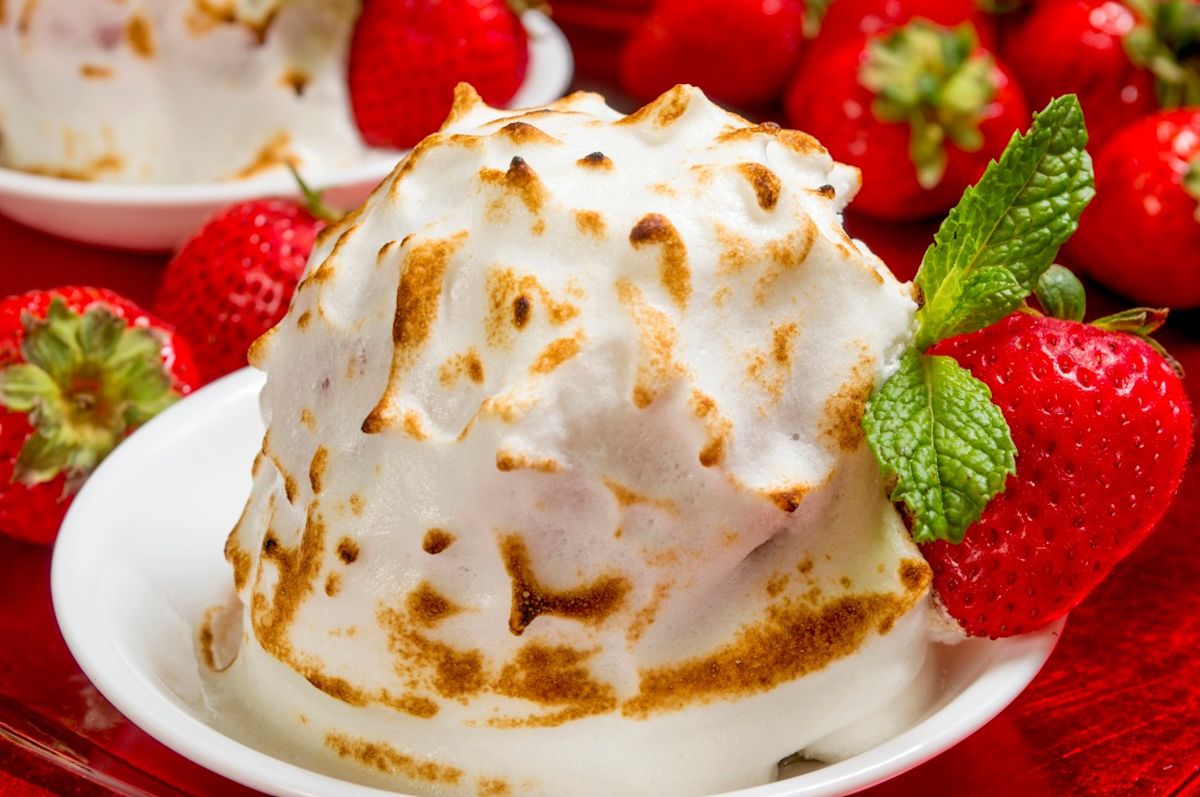
During the early 1960s, home entertaining across the United States was deeply influenced by the concept that the culinary future had officially arrived in suburban kitchens. Hostesses of the era were widely expected to reflect this modern domestic shift through both their cooking techniques and their presentation styles. Rather than relying solely on traditional scratch cooking, the era's dinner and cocktail parties served as showcases for new consumer conveniences, commercial packaging, and specialized serving gear.
This modern entertaining aesthetic was visibly anchored by specific equipment and store-bought shortcuts. A typical mid-century sideboard often featured a lit chafing dish keeping food warm, while wire baskets held frozen puff pastry shells sourced directly from grocery store freezer sections. Hostesses also made frequent use of canned clams and canned crab shipped from distant coastlines, alongside novelty dishes prepared directly from recipes printed across the side panels of commercial cereal boxes.
The menu items designed for these gatherings were tailored specifically to the social dynamics of the period. Because guests were generally expected to socialize while standing with a drink in one hand, the food leaned heavily toward compact, skewered bites that could be eaten without utensils. The larger dishes that required plating often offset their lack of portability with theatrical visual appeal, presented to partygoers while actively on fire or sheltered beneath sculpted domes of browned meringue.
Among the era's quintessential skewered appetizers was rumaki, a bite-sized preparation featuring trimmed chicken liver and crisp water chestnut wrapped securely in a strip of bacon. Broiled until the bacon reached a deep crispness, the dish became a fixture of living room cocktail trays. It was served on soaked wooden toothpicks, which kept the layered components held tightly together throughout the cooking process.
Despite its exotic branding, rumaki was entirely a product of the mid-century American Polynesian restaurant trend rather than a traditional Pacific Island recipe. The name itself was coined within the United States to give the appetizer a far-flung, adventurous aura that appealed to postwar suburban diners seeking novelty. Its commercial popularity quickly migrated from themed dining establishments into private homes.
The culinary success of rumaki depends heavily on a balanced marinade composed of soy sauce, light brown sugar, dry sherry, minced garlic, and grated fresh ginger. This liquid mixture serves an essential structural purpose by cutting through the strong, metallic iron notes of the chicken liver. Simultaneously, the inclusion of brown sugar prevents the final bite from tasting purely salty once the rich bacon fat renders down over the meat.
Achieving the proper texture requires strict attention to marinating duration. Soaking the chicken liver for merely thirty minutes fails to drive the seasoning into the center of the meat, while leaving it in the mixture overnight causes the protein to turn unpleasantly chalky. The optimal window sits at approximately two hours, which allows the marinade to penetrate fully while keeping the liver tender enough to slice cleanly.
To execute the dish properly, twenty-four trimmed pieces of liver are paired with sliced rounds of canned water chestnuts, wrapped in half-slices of bacon, and anchored with toothpicks. Cooking the assembled pieces on an elevated wire rack set inside a rimmed baking sheet ensures that rendering fat drains away instead of pooling around the meat. Broiled six inches from the heat element and flipped midway through, the meat must reach an internal temperature of 165 degrees Fahrenheit before resting for five minutes to allow the bacon to set.
Alongside skewered meats, deep-fried finger foods like Crab Rangoon represented another central pillar of 1960s cocktail entertaining. Built from a mixture of crabmeat and cream cheese folded within a thin wonton skin, the appetizer combined contrasting creamy and crunchy textures. Like rumaki, the dish emerged directly from the American tiki dining movement rather than international tradition.
Crab Rangoon was an American culinary invention named after a Burmese city, despite the fact that cream cheese is not native to Burmese cuisine. The appetizer was popularized during the 1950s when it appeared on the menu at Trader Vic's, the influential Oakland restaurant founded by Victor Bergeron. Its subsequent arrival in home kitchens was accelerated by the accessibility of its core filling ingredients.
Because cream cheese, canned lump crab, and standard seasonings were already staple items in ordinary grocery stores, home cooks could easily assemble the filling in just a few minutes. However, the wrapper itself presented an initial distribution hurdle. For years, wonton skins remained specialized items found primarily in urban centers and Chinese grocery stores before eventually securing permanent space in mainstream supermarket refrigerated aisles.
The filling requires beating softened cream cheese until smooth before folding in flaked lump crab, finely sliced green onions, minced garlic, Worcestershire sauce, soy sauce, and white pepper. Once mixed, the spread is refrigerated for a minimum of thirty minutes, which firms the fat content and ensures that the mixture holds its structure when portioned onto individual wrappers.
Proper assembly demands careful portion control and tight sealing. A single tablespoon of chilled filling is positioned at the center of a three-and-a-half-inch square wonton wrapper, leaving a generous dry border along the perimeter. After brushing two adjoining edges with an egg wash mixture of beaten egg and water, the wrapper is folded into a triangle and pressed firmly outward from the center to expel trapped air pockets that could otherwise burst during frying.
The final frying stage requires strict temperature regulation, as the thin pasta skin browns in under two minutes. Submerging the wontons in two inches of vegetable oil heated precisely to 350 degrees Fahrenheit ensures that the exterior crisps without soaking up excess oil or scorching before the interior crab filling is fully warmed through. Cooking in small batches prevents the oil temperature from suddenly dropping.
The widespread popularity of dishes like rumaki and Crab Rangoon demonstrated how mid-century entertaining balanced convenience with dramatic presentation. Whether serving deep-fried pastries, skewered meats, frosted sandwich loaves, or flamed desserts like Baked Alaska, 1960s hostesses utilized packaged supermarket provisions to create memorable social dining experiences that came to define an entire era of American entertaining.








(0)