
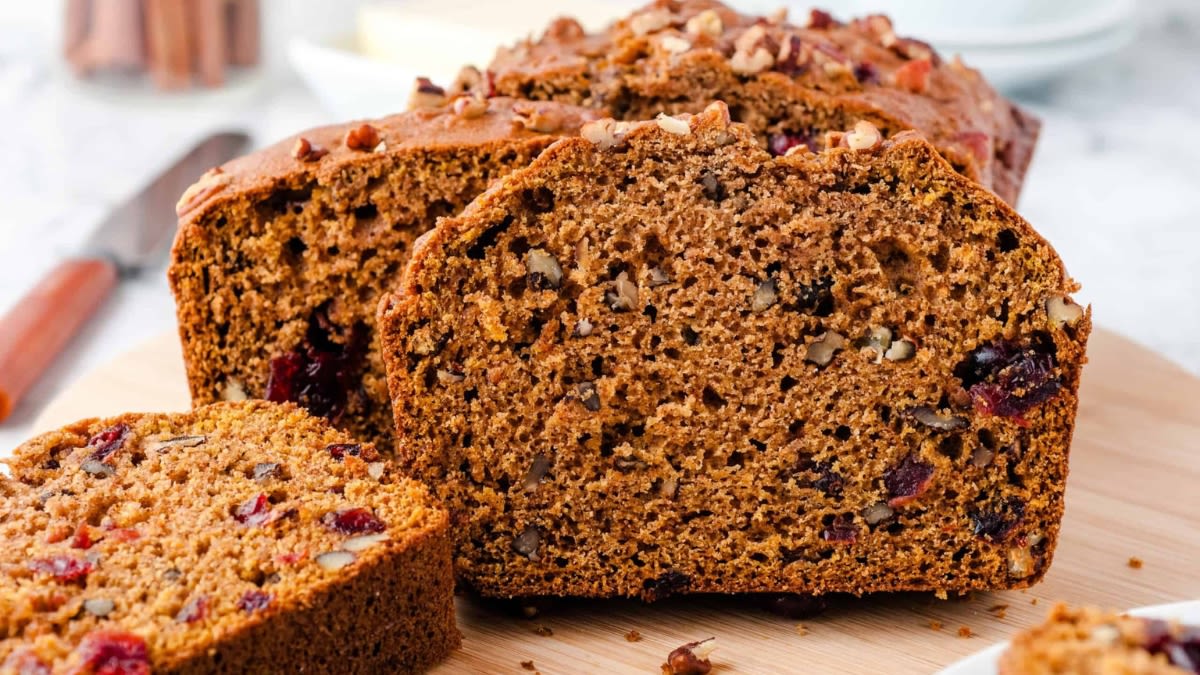
As autumn arrives across North America, the annual shift in consumer culinary habits is once again taking center stage. Kitchens nationwide are pivoting from light summer fare to hearty, comforting baked goods, with pumpkin quick breads emerging as the definitive staple of the season. This time-honored treat continues to bridge the gap between novice home bakers and seasoned pastry enthusiasts, serving as both a cozy domestic tradition and a powerful economic driver for the seasonal food industry.
Quick breads, defined by their reliance on chemical leaveners such as baking soda and baking powder rather than slow-fermenting yeast, have long enjoyed popularity due to their relative simplicity. Unlike traditional artisan loaves that require hours of kneading, proofing, and temperature monitoring, quick breads come together in a single bowl with minimal active preparation. When combined with the earthy sweetness of pumpkin, these recipes produce dense, exceptionally moist loaves that deliver immediate culinary gratification.
The enduring popularity of pumpkin in autumnal baking is grounded in both food science and sensory appeal. Pumpkin puree acts as a natural humectant, locking in moisture and allowing loaves to maintain a soft, tender crumb for days after leaving the oven. Nutritionally, pumpkin introduces significant levels of dietary fiber, potassium, and vitamin A into sweet baked goods, offering a perceived wholesomeness that appeals to health-conscious consumers seeking permissible indulgences.
Culinary creators and recipe developers have expanded the classic pumpkin bread formula far beyond traditional iterations. Today’s popular variations frequently incorporate rich cream cheese ribbons, dark chocolate chunks, spiced streusel toppings, and crunchy toasted nuts such as pecans and walnuts. These modern adaptations allow home cooks to customize basic batters, catering to evolving palate preferences while maintaining the fundamental warmth of seasonal spices like cinnamon, nutmeg, ginger, and allspice.
Behind the domestic baking boom lies a substantial agricultural and manufacturing supply chain. Commercial canned pumpkin production, largely concentrated in the Midwestern United States, operates at peak capacity during the late summer and early autumn harvest to supply grocery shelves ahead of holiday demand. Processors transform millions of pounds of specialized Dickinson pumpkins into smooth purees, serving as the essential foundation for consumer baking across the nation.
Supermarket retail data consistently shows a sharp uptick in Q3 and Q4 sales for core baking ingredients, driven by seasonal kitchen projects. Beyond canned pumpkin itself, retailers experience elevated turnover for all-purpose and specialty flours, brown sugar, eggs, butter, and spice blends. Merchandisers frequently capitalize on this demand by positioning seasonal baking displays at high-traffic endcaps, pairing baking pans and mixing utensils directly with essential shelf-stable ingredients.
The digital landscape plays an instrumental role in accelerating seasonal baking trends. Social media platforms, lifestyle blogs, and video-sharing networks experience an annual surge in engagement around pumpkin bread tutorials and recipe modifications. Content creators often view early autumn as a critical window to capture audience interest, publishing step-by-step guides that demystify the baking process and inspire home cooks to recreate trending aesthetic dishes in their own kitchens.
This widespread enthusiasm reflects broader behavioral shifts in home cooking that have persisted over recent years. Domestic baking is increasingly viewed not merely as a utilitarian means of food preparation, but as an accessible form of mindfulness and stress relief. Preparing a warm, aromatic loaf of quick bread provides consumers with a tactile, low-cost domestic activity that enhances the home environment during cooler months.
To accommodate modern dietary restrictions, the quick bread category has witnessed substantial innovation in ingredient substitutions. Bakers routinely adapt classic recipes using gluten-free flour blends, almond meal, plant-based dairy alternatives, and vegan egg substitutes such as flaxseed meal or aquafaba. Furthermore, many recipes now feature alternative sweeteners like maple syrup, coconut sugar, or applesauce to reduce refined sugar content without sacrificing texture or flavor.
Professional bakers emphasize that while pumpkin quick breads are forgiving, achieving optimal results still relies on a few fundamental techniques. Culinary instructors advise against overmixing the batter once the dry and wet ingredients meet, as excessive agitation develops gluten and can lead to a tough, rubbery texture. Ensuring that the oven is fully preheated and testing the loaf's internal temperature with a wooden skewer remain critical steps for avoiding a gummy center.
The homemade pumpkin bread phenomenon also exists alongside a massive commercial market for seasonal packaged goods and industrial flavorings. While fast-casual cafes and commercial bakeries offer convenient ready-made pumpkin pastries, many consumers express a distinct preference for scratch-made alternatives. Homemade loaves provide complete transparency over ingredient quality, sweetness levels, and additive-free freshness that processed supermarket alternatives struggle to match.
The ongoing discourse among culinary purists regarding canned versus homemade pumpkin puree further highlights consumer interest in food craftsmanship. While roasting fresh sugar pumpkins from scratch offers an appealing artisanal experience, food scientists and pastry chefs frequently note that commercial canned puree provides superior consistency, lower excess water content, and a more uniform color and flavor profile ideal for quick breads.
Environmental and economic factors continue to influence the seasonal baking sector as well. Agricultural yields, influenced by shifting rainfall patterns and temperature anomalies in primary growing regions, directly dictate the availability and pricing of staple baking goods. Despite inflationary pressures on grocery staples in recent seasons, quick breads remain one of the most cost-effective and yield-efficient baked goods for budget-conscious households.
Beyond economics and technique, pumpkin quick bread maintains a uniquely sentimental role in seasonal social culture. The ritual of slicing and sharing warm loaves serves as a vehicle for hospitality and community connection, frequently gifted to neighbors, coworkers, and family members during the harvest season. The recognizable aroma of pumpkin spice permeating a home evokes strong feelings of seasonal nostalgia and comfort.
As autumn progresses, pumpkin quick breads will continue to occupy a central place in the modern domestic repertoire. Combining accessibility, comforting flavors, and wide room for creative variation, these humble loaves demonstrate how simple, traditional recipes continue to thrive in contemporary food culture, anchoring the autumn season with every freshly baked slice.



(0)