
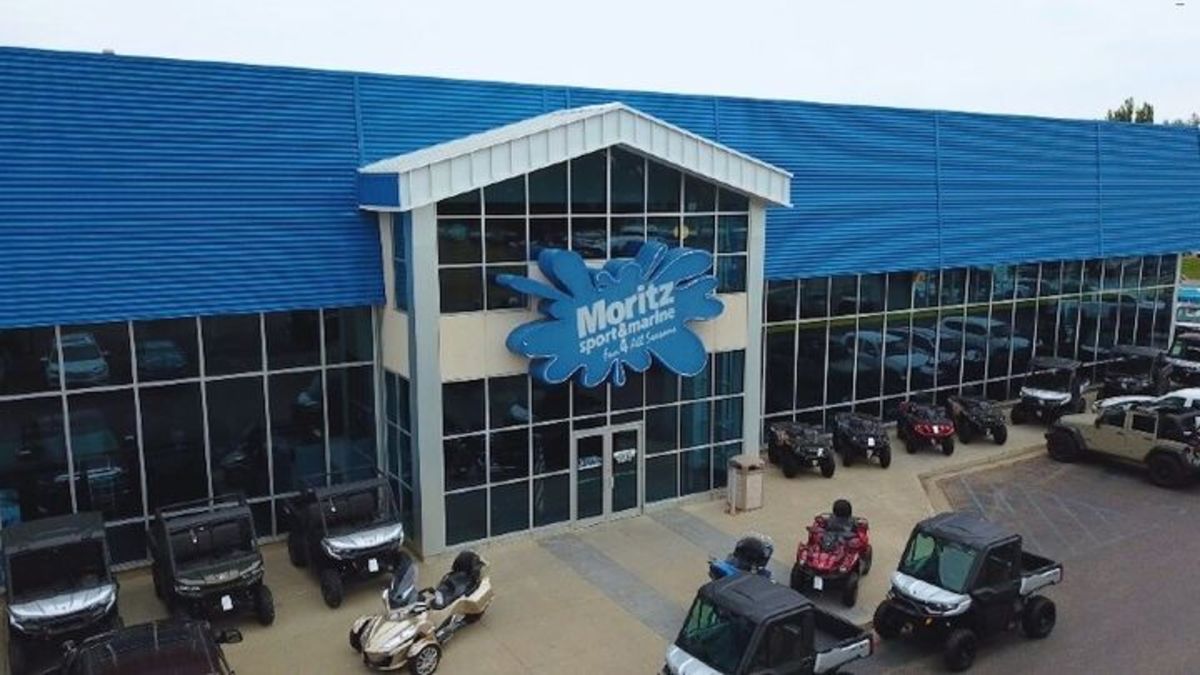
A long-standing dealership in Bismarck, North Dakota, is demonstrating how traditional automobile sales techniques can reshape the retail landscape for off-road recreational and utility vehicles. By treating the sale of side-by-side machines with the same structured approach commonly found in modern car showrooms, Moritz Sport & Marine has turned utility terrain vehicles into a major financial engine.
Operating under the leadership of Eric Moritz, the dealership has grown its powersports operations to move approximately 300 brand-new side-by-side units every year. This dedicated focus on new utility task vehicles generates an estimated $10 million in annual gross revenue strictly from side-by-side transactions, excluding the dealership's separate marine sales operations.
Alongside the steady volume of factory-fresh models leaving the showroom floor, the retailer maintains an active pre-owned division. The dealership processes between 200 and 300 used all-terrain vehicles and side-by-sides each year, establishing an expansive secondary pipeline that mirrors the certified pre-owned ecosystems relied upon by conventional automotive franchises.
The operational philosophy behind this commercial output stems directly from the Moritz family’s extensive background in automobile retailing. Nearly thirty years ago, Moritz and his father leveraged their previous car industry experience to acquire an established Bismarck Chevrolet dealership, eventually transitioning the property into Moritz Sport & Marine upon its founding in 1997.
That automotive heritage was further solidified when Moritz's father retired in 2020. Rather than looking outside the industry, the dealership transitioned the retired owner's equity shares to fellow local automotive dealership owners, ensuring that the company’s executive mindset remained closely tethered to modern car retail practices.
Moritz views the broader powersports marketplace as lagging significantly behind the mainstream automobile sector. In his assessment, the powersports retail business remains roughly five years behind car dealerships, particularly when it comes to standard operational structure, day-to-day business administration, and certain technological applications.
To bridge this operational gap, the dealership overhauled the traditional customer buying experience to replicate an automotive closing process. Rather than separating the purchase into disjointed encounters, buyers sit at a comprehensive, full-service sales desk that centralizes every facet of the transaction in a single appointment.
During this coordinated process, prospective buyers interact simultaneously with the sales manager, finance personnel, service department representatives, and dedicated accessory specialists. This multi-departmental approach ensures that every financial, operational, and customization detail is addressed before the customer takes delivery of the vehicle.
The ultimate objective of this integrated sales protocol is to streamline long-term customer retention while maximizing initial vehicle capability. By ensuring buyers leave the lot with all desired modifications and equipment installed, the business seeks to secure lasting customer relationships, replicating a strength long demonstrated by franchised automobile dealers.
Product shifts have heavily accelerated this operational strategy, most notably through the rise of the Can-Am Defender platform. Outside of its traditional marine segment, the Defender lineup—specifically models equipped with enclosed, full-cab configurations—has become the single most significant revenue driver for the entire dealership.
The impact of this utility lineup represents a dramatic departure from the dealership's historical baseline. Prior to the market introduction of the Defender roughly a decade ago, the store was selling only 10 to 15 new side-by-side units annually, marking an exponential increase in sales volume over the span of ten years.
To keep pace with the influx of deliveries and long-term maintenance demands, the dealership was forced to scale its operational infrastructure. The service department has expanded rapidly, doubling its specialized Can-Am technician staff to a total of 12 certified technicians in recent years to support ongoing repair and rigging operations.
A primary driver behind this customer demand is the growing adoption of fully enclosed machines capable of mimicking traditional pickup trucks. Outfitted with climate controls such as integrated heating and air conditioning, these cab-equipped utility vehicles are increasingly purchased to serve as dependable daily transportation for local operators.
Regional road regulations across North Dakota have supported this functional transformation. Off-highway vehicles are legally permitted to operate on the state's paved roads outside of major highways, and machines can achieve full statewide street legality once fitted with required safety accessories including rearview mirrors, turn signal blinkers, a horn, and a valid license plate.
Despite the strong retail trajectory, market headwinds remain a consideration for dealership leadership, particularly surrounding rising equipment costs. Highly optioned, fully accessorized side-by-side vehicles are increasingly approaching retail price points near $50,000, presenting new financial barriers for certain consumer segments.
These pricing realities, combined with operational hurdles, have also made the dealership cautious regarding the emerging electric utility vehicle market. While closely tracking new releases following the summer debut of Can-Am's Outlander Electric, Moritz is currently holding off on electric adoption due to driving range limitations, inadequate public charging infrastructure, and the high upfront costs required for specialized tools and technician training.





(0)