
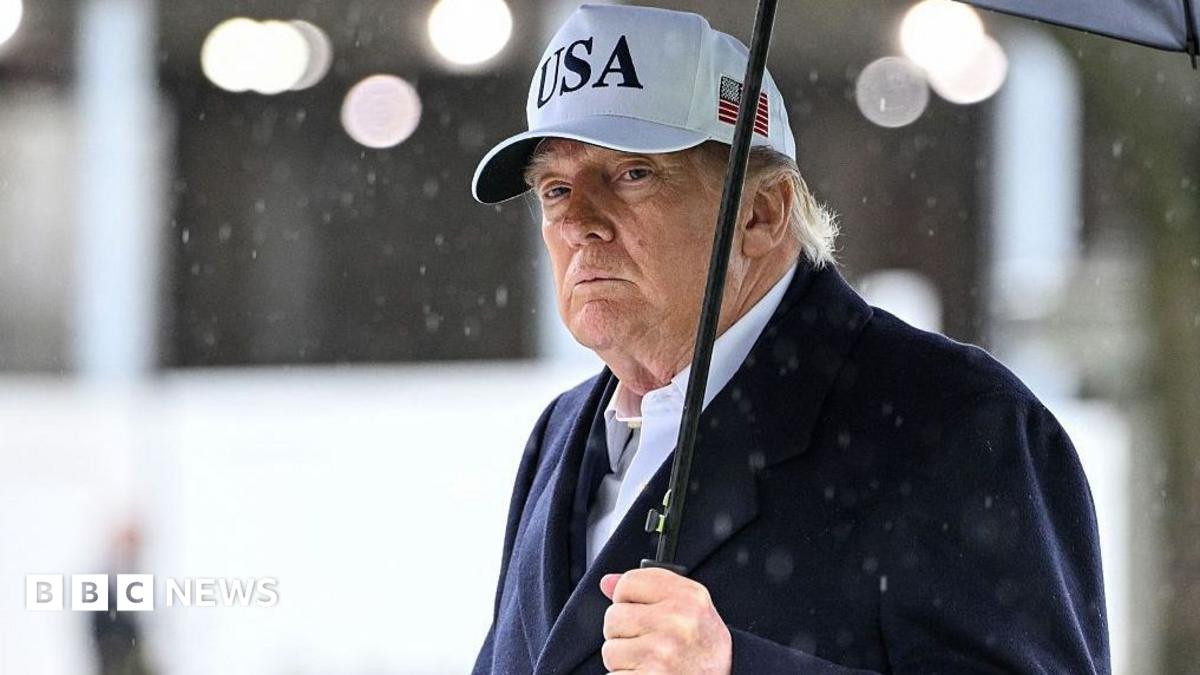
Iran has indicated it will hold fire and wait for an official answer from US negotiators after President Donald Trump turned down an Iranian proposal to reopen the Strait of Hormuz to commercial shipping within seven days. The rejection leaves the world's most important energy chokepoint shut and casts doubt on a diplomatic push that had gathered pace during talks on the fringes of the UN General Assembly in New York.
Iran's foreign minister, Abbas Araghchi, confirmed the stance in a post on Telegram, acknowledging the president's rejection while accusing him of having issued mutually conflicting signals in the past. The Iranian chief diplomat's measured tone suggested Tehran was keeping a negotiating channel open rather than walking away from the process, even as Washington publicly spurned the terms on offer.
Trump had already dismissed the offer to reporters at the White House, saying Tehran's proposal was not "acceptable". He suggested the Iranian side wanted the strait reopened straight away simply because, in his words, "they're losing so badly" — framing the diplomatic exchange less as a compromise between two governments and more as a capitulation by a country under severe strain.
The Iranian position had been outlined only a day earlier, when Araghchi told reporters at the United Nations that a deal could be brokered provided that "necessary conditions are met". Those conditions, according to the foreign minister, were identical to the ones set out in a memorandum of understanding signed between Washington and Tehran back in June — a reference that suggests Iran is seeking to formalise an arrangement it believes was already conceptually agreed.
Iran formally raised the possibility of reopening the waterway and ending hostilities during negotiations held on the sidelines of the General Assembly this past week. That diplomatic activity came after weeks in which the strait, through which roughly a fifth of the world's oil and gas supplies normally pass, had been effectively closed since war broke out in February.
Trump, speaking on Saturday, was blunt: "I'm rejecting their deal." He went further, claiming the United States already enjoyed "total control" of the strait and that "massive amounts of oil" was moving through it — a claim that sits uneasily with widespread accounts of shipping disruption since hostilities began. Whether the waterway is functioning normally, or only under some form of US-escorted or controlled passage, is central to how much leverage either side truly has.
Araghchi, for his part, was careful not to close the door. Writing on Telegram, he said Trump "has made many good statements, as well as many contradictory ones, which unfortunately we hear frequently". He added: "We are waiting for the mediators to convey the definitive views to us, and we will make a decision based on them" — signalling that Tehran intends to judge any US position on its substantive content rather than on Trump's public pronouncements.
That reliance on mediators points to Oman, which has been acting as an intermediary between the two governments. Oman has urged all parties to keep talking, and its foreign minister, Sayyid Badr bin Hamad bin Hamood Albusaidi, told the UN General Debate that "all parties" should work with Muscat in efforts to safeguard navigation in the strategic waterway. The Gulf state's position is notable given its geography: it shares a maritime boundary with Iran and sits astride the mouth of the strait.
Washington's rejection was publicly reinforced by the US ambassador to Nato, Matthew Whitaker. Speaking to Fox News on Saturday, he said Iran had offered "half measures" and "illusory deals to make themselves look good on the world stage", arguing that "President Trump's right to reject it". The comments suggest the administration's position is not a negotiating tactic but a settled assessment that any Iranian offer to date falls far short of what the US demands.
Underlining that assessment, Treasury Secretary Scott Bessent said on Saturday that US economic pressure was taking a toll on Tehran. Posting on X, he said Turkey, Oman and the United Arab Emirates had stopped flights from various Iranian airlines, and that some banks in the UAE and Turkey had ceased transactions with Iran — measures that suggest pressure is being applied well beyond the strait itself.
The Trump administration has branded its economic blockade on Iran as "Operation Economic Outcast", using sanctions as the main lever to force Tehran to halt attacks on vessels in the Strait of Hormuz. The campaign is designed to squeeze the Iranian economy until the government is compelled to abandon its disruption of shipping.
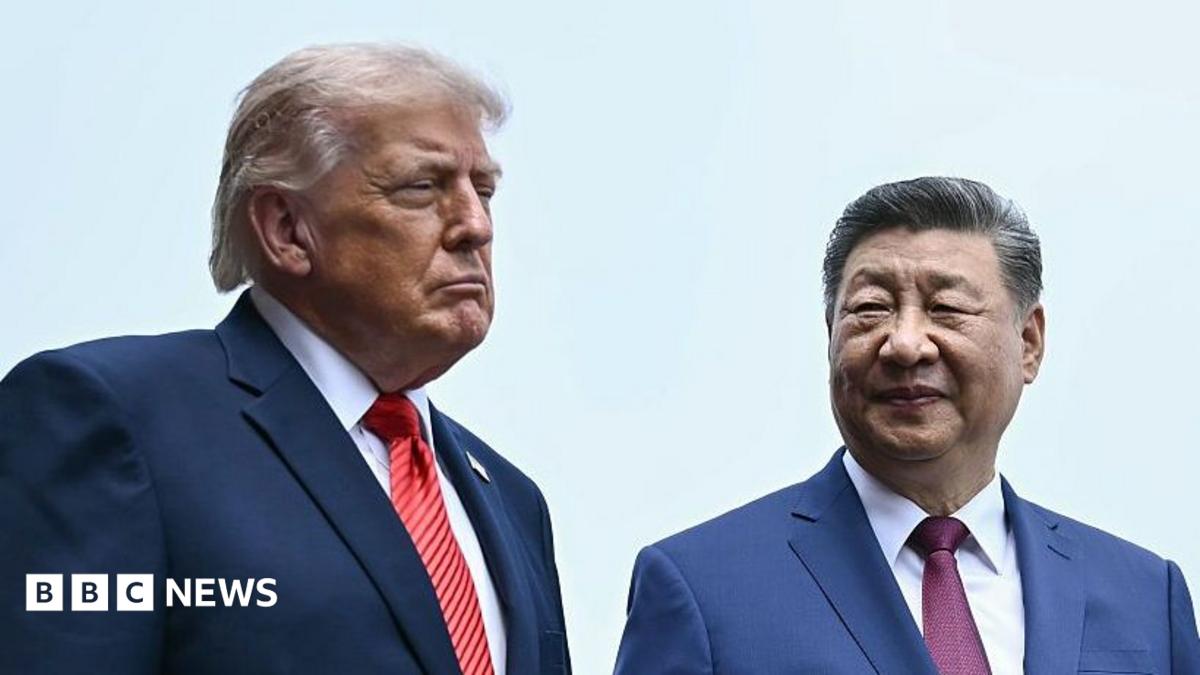
Some economists have questioned whether the newest sanctions will actually bite, warning that their effectiveness depends heavily on how Iran's major trading partners respond. Among them is China, the largest purchaser of Iranian oil, which has previously ignored US sanctions and continued doing business with Tehran. If Beijing — along with other buyers in Asia — continues to defy Washington, the pressure campaign may do little to reopen the waterway by force of economics.
The dispute also sits within a broader, increasingly fraught diplomatic picture. President Masoud Pezeshkian has told Trump Iran will never "bend the knee"; British foreign secretary Ed Miliband has warned Tehran that the UK will not tolerate "hostile activity" on British soil; and Trump himself threatened to "annihilate" Iran in his UN General Assembly address days ago, even as officials from both countries met on the sidelines.
For now, attention centres on what the mediators report back to Tehran. If the definitive US position that Araghchi is waiting for turns out to be no different from what Trump has already said publicly, the seven-day reopening window will likely lapse, and the strait will remain closed. If it comes with concessions on the terms of the June memorandum, the dispute could yet produce a limited reopening — the outcome both Oman and the White House say they want.




(0)