
The Ocala City Council officially approved two-year contract extensions for four top municipal charter officers during a regular public meeting held inside City Hall on Sept. 15. The council's decisions cemented the ongoing leadership across vital administrative, judicial, and public safety divisions, guaranteeing structural continuity for the municipal government for the next two years.
Three of the four senior officials received complete, unanimous endorsement from the elected dais. Police Chief Mike Balken, City Clerk Angel Jacobs, and City Attorney William Sexton each secured unanimous 5-0 confirmation votes, granting them renewed terms to oversee law enforcement operations, legislative records, and legal counsel for the city.
The unified consensus behind Balken, Jacobs, and Sexton reflected strong support from all five sitting council members. The voting bloc included Council President Ire Bethea Sr., Council President Pro Tem Jay Musleh, and Council Members Kristen Dreyer, Barry Mansfield, and Jim Hilty.
While the confirmation votes for the police chief, clerk, and city attorney proceeded smoothly without formal objection, the reappointment of City Manager Pete Lee generated notable friction among officials and attendees. Council members ultimately confirmed Lee’s contract renewal for another two-year period in a 4-1 decision, with Hilty casting the lone dissenting vote against the administrative chief.
In municipal governance systems, charter officers occupy unique roles because they report directly to the elected council rather than through standard bureaucratic hierarchies. Because these officials manage fundamental facets of civic administration, biennial contract renewals serve as vital checkpoints for evaluating organizational performance, responsiveness, and executive management.
The renewal process for Lee was preceded by pointed public input from local stakeholders who questioned the administration's trajectory. Clay Albright, an Ocala businessman, addressed the council directly from the podium to voice serious concerns regarding the current municipal climate, drawing particular attention to systemic bureaucracy and ongoing friction with the city's code enforcement board.
During his address, Albright formally petitioned the governing body to institute a temporary pause before granting the city manager another contractual term. He requested that council members delay Lee’s confirmation vote for 60 to 90 days, maintaining that a brief postponement would provide the necessary window to investigate administrative bottlenecks and address procedural issues affecting local businesses.
Albright's bid to table the renewal vote was ultimately unsuccessful, as the council decided to proceed with the scheduled agenda. Nevertheless, his remarks highlighted simmering tensions within the local private sector, as he stated that he was speaking on behalf of fellow business owners who were reluctant to publicly voice their grievances due to a fear of potential retaliation.
Questioning Lee’s executive oversight, Albright argued that administrative leadership must be held accountable for bureaucratic hurdles that impede local enterprise. His testimony challenged whether the current management philosophy sufficiently supports commercial growth or places undue burdens on private operations navigating city regulations.
The criticisms presented during the public comment portion of the meeting aligned closely with the rationale later offered by Councilman Hilty, who explained his decision to oppose Lee’s contract extension. Hilty directed his critique toward the economic health and commercial vitality of Ocala's downtown district.
Hilty pointed out that several downtown establishments have shut down in recent times, arguing that the city manager has not effectively tackled the underlying challenges contributing to these commercial vacancies. The councilman expressed frustration that the administration had not acted decisively to stem the pattern of business closures.
Emphasizing the vital role of the city core, Hilty maintained that if downtown Ocala is truly considered the community’s primary business hub, city administration must treat and support it accordingly. He asserted that protecting the district's economic future required a meaningful change at the highest level of municipal leadership.
Despite the objections voiced by Albright and Hilty, the remaining four council members opted to maintain course by supporting Lee's retention. The 4-1 majority chose to endorse administrative stability, granting the city manager the authority to continue directing city staff, managing ongoing civic programs, and executing council policies through the new two-year term.
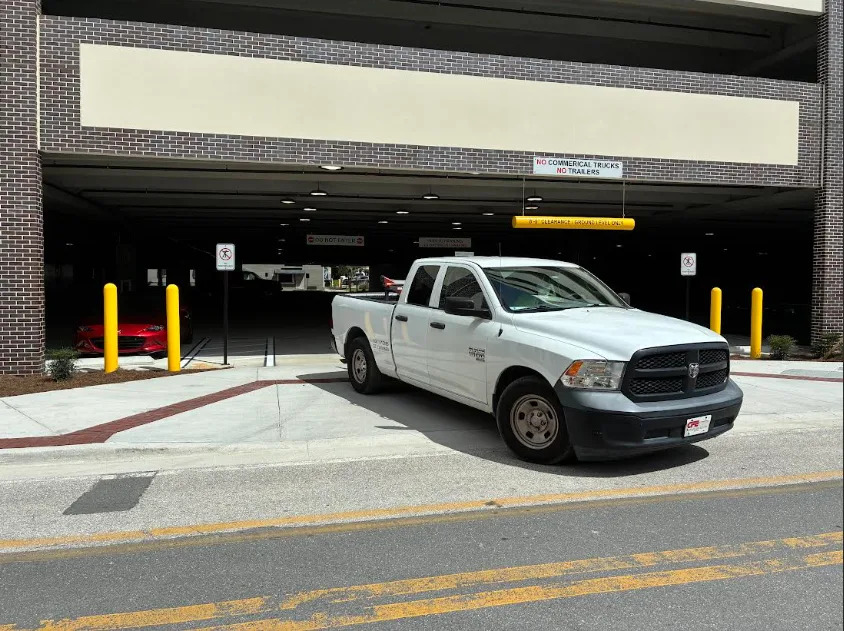
The debate over commercial vitality and municipal leadership comes at a time of continued municipal capital development across the city center. Just a week prior to the renewal votes, on Sept. 8, 2026, the city marked the formal public opening of Parking Garage 2, an infrastructure project located within city limits between West Broadway Street and West Fort King Street designed to accommodate visitors and downtown traffic.
The contrast between major public investments like the new parking garage and persistent merchant concerns regarding code enforcement and storefront closures underscores the broader challenges facing local leadership. As Ocala continues to expand, balancing municipal regulations, infrastructure development, and small business support remains a central governing priority.
With the council's votes finalized, all four charter officers—Lee, Balken, Jacobs, and Sexton—remain positioned at the helm of Ocala's executive and legal apparatus. The renewed contracts establish the administrative framework for the city government as it navigates economic development, public safety, and community relations over the coming two years.








(0)