
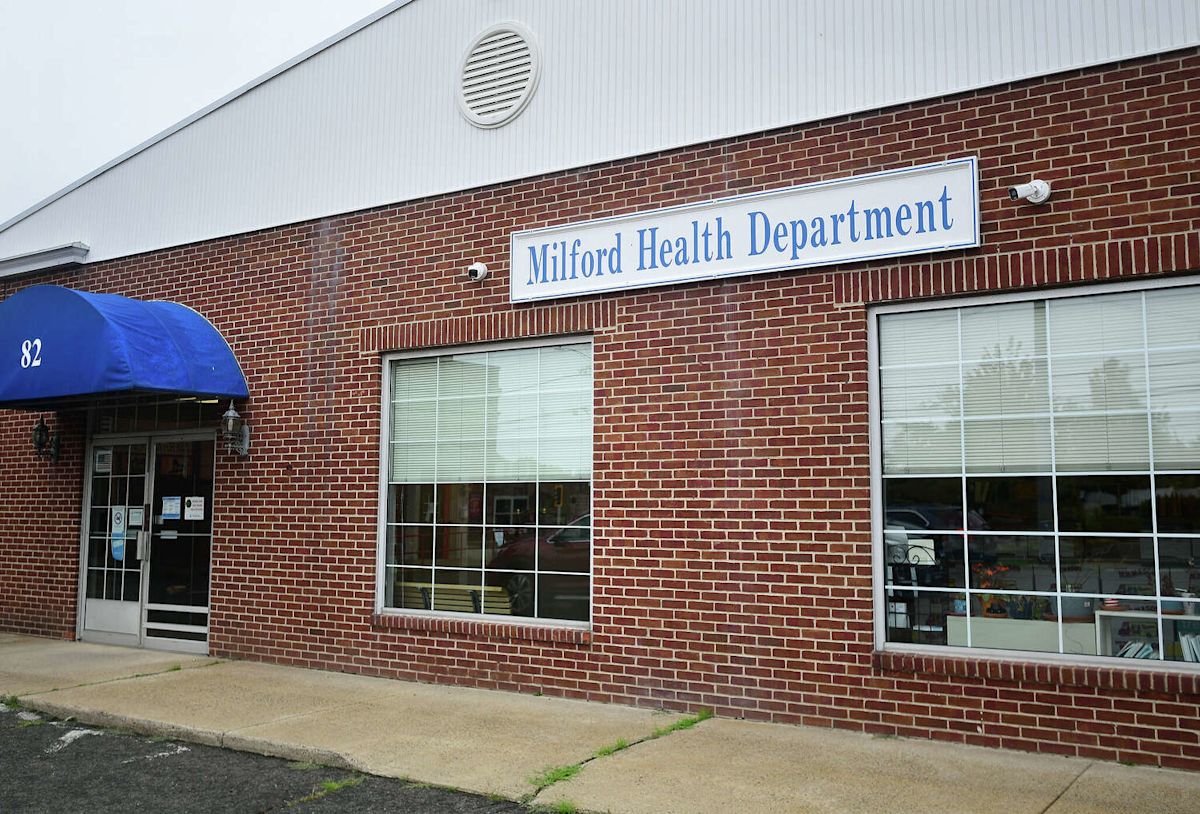
Municipal health officials in Milford identified serious sanitation and food-handling infractions across more than a third of the commercial dining and food retail venues inspected during the month of July. According to official inspection records released by the Milford Health Department, which operates out of 82 New Haven Avenue, inspectors conducted regulatory visits at 44 local food service establishments. Out of those locations, 16 businesses—ranging from neighborhood eateries, delis, and bakeries to a major hotel and a grocery venue—were issued citations for significant health code violations.
The July findings closely match the municipal health department's enforcement outcomes from the previous month, when inspectors also cited 16 Milford food businesses for notable regulatory breaches in June. Local food safety protocols evaluate commercial facilities across three distinct categories of severity: priority violations, priority foundation violations, and core violations. Priority infractions represent the most severe potential hazards to public health and must be rectified within 72 hours, while priority foundation items require remediation within a 10-day window. Core violations, which encompass minor maintenance or structural issues, allow up to 90 days for correction and are generally excluded from critical reporting summaries.
Among all the commercial kitchens evaluated throughout July, Walnut Beach Coffee House, situated at 59-61 Naugatuck Ave., recorded the highest total number of enforcement citations. The establishment was cited for nine distinct priority violations. Inspection reports detailed food workers failing to wash their hands properly after eating, neglecting mandatory glove changes, and touching their hair and faces between food preparation tasks. In addition, an employee was observed handling ready-to-eat bread with bare hands, staff failed to replace gloves following contamination incidents, both dedicated handwashing sinks were obstructed by placed items, and the restroom handwashing facility lacked hot water at the required temperature.
The critical findings at the Naugatuck Avenue venue also included hazardous storage conditions, such as a cleaning chemical container hung directly over stored food supplies, chlorine sanitizing solution mixed at an improper concentration, and temperature-sensitive food items held at unsafe levels, specifically cooked eggs and turkey bacon. Alongside these priority issues, the coffee shop accumulated nine priority foundation violations. These infractions encompassed an absence of active managerial control over kitchen operations, missing hand soap and paper towels at the primary kitchen sink, an unwashed food slicer, and an unclean interior inside an ice machine.
Walnut Beach Coffee House was further cited under priority foundation regulations for storing ready-to-eat, temperature-controlled products for longer than 24 hours without required date markings, maintaining unlabeled sanitizer pails, lacking sanitizer chemical test strips, operating a reach-in cooler without a functioning thermometer, and keeping warm cooked eggs completely covered inside a walk-in refrigeration unit. The inspector officially noted that all staff members should undergo comprehensive retraining regarding proper handwashing protocols. A subsequent follow-up inspection confirmed that every cited issue was successfully resolved. An unnamed manager stated that the establishment takes health and safety regulations very seriously and implemented immediate corrective action to resolve all items in the report.
Several other dining venues located along the city's primary retail corridors also faced regulatory scrutiny for improper food holding temperatures and chemical concentrations. At Bella Napoli Pizza, located at 864 Boston Post Road, inspectors documented two priority violations involving sanitizing solutions at improper chemical concentrations and food items stored at incorrect temperatures within the upper compartment of the sandwich prep tables. Both issues were corrected on site during the inspection, and a manager declined to provide public comment.
Further down the same roadway, an inspection conducted at the Burger King franchise at 1292 Boston Post Road revealed a priority violation regarding food items maintained at improper holding temperatures. Similar to the neighboring pizzeria, management at the fast-food location declined to comment on the health department's findings.
In the downtown area, Blind Rhino, operating at 21 Daniel St., was issued two priority citations related to safe food storage and temperature control. Official reports stated that food items were left uncovered inside a walk-in cooler, while inventory stocks of raw and prepared meats—including hamburger, steak, chicken, and ham—were kept at unsafe holding temperatures. The sports bar and restaurant was also cited for one priority foundation violation due to a dirty can opener blade. All reported deficiencies were corrected on site during the visit, and management did not respond to requests for comment.
Bridge House, located at 48 Bridgeport Ave., received two priority violations after health inspectors uncovered moldy pepper jack cheese alongside severely dented canned goods containing roasted red peppers. The restaurant was additionally cited for a priority foundation violation concerning an unsanitary ice machine interior. Staff members resolved all issues while the inspector remained on the premises, and restaurant management did not issue a response to inquiries.
Inspectors also issued citations to smaller neighborhood food markets and delis across the municipality. Hawar's Deli, situated at 300 Bridgeport Ave., received one priority violation for sanitizer mixed at an improper strength and one priority foundation violation after inspectors discovered deli turkey and ham lacking mandatory date marks. At Honeyspot Pizza 2, located at 100 Landsdale Ave., inspectors logged a priority violation for incorrect sanitizer concentration, as well as two priority foundation violations for sliced ham with improper date markings and an unlabeled chemical spray bottle. Both businesses corrected their infractions on site, and neither management team responded to requests for comment.
Commercial hospitality operations were also subject to health department enforcement during the July review period. The Hyatt Place Hotel, situated at 190 Old Gate Lane, received a priority violation after prepared food items displayed in its grab-and-go refrigerated case were found sitting at incorrect holding temperatures. The hotel was also issued two priority foundation violations for utilizing an improper cooling method for leftover cooked eggs and mounting an electronic insect light in a dry storage area near open food shelves. All cited items were corrected immediately, and management declined to offer comment.
At Isabel's Bakery, located at 18 Lenox Ave., an inspector issued a priority violation after discovering improper washing, rinsing, and sanitizing practices at the facility's three-compartment sink. The bakery was also cited for two priority foundation violations regarding ready-to-eat food containers that were labeled without proper preparation dates, as well as an unlabeled spray bottle containing cleaning chemicals. The violations were corrected on site, and management did not respond to inquiries.
The Lazy Lobster, operating at 6 Broadway, accumulated three priority violations and four priority foundation violations during its July review. The priority citations involved the improper practice of reheating prepared soups inside a steam holding table rather than on a stove as mandated by health regulations, buttermilk kept at an incorrect holding temperature, and a hand-pumped sanitizer bottle positioned on a shelf directly above food items.
The priority foundation citations at the 6 Broadway establishment involved inadequate documentation verifying mandatory employee training, alongside missing paper towels at employee handwashing stations. As with the vast majority of the food service establishments evaluated during the July cycle, personnel at the restaurant resolved all identified problems on site during the inspection. The widespread findings emphasize the health department's continuous regulatory focus on temperature regulation, cross-contamination prevention, and chemical safety across the city's commercial food service sector.





(0)