
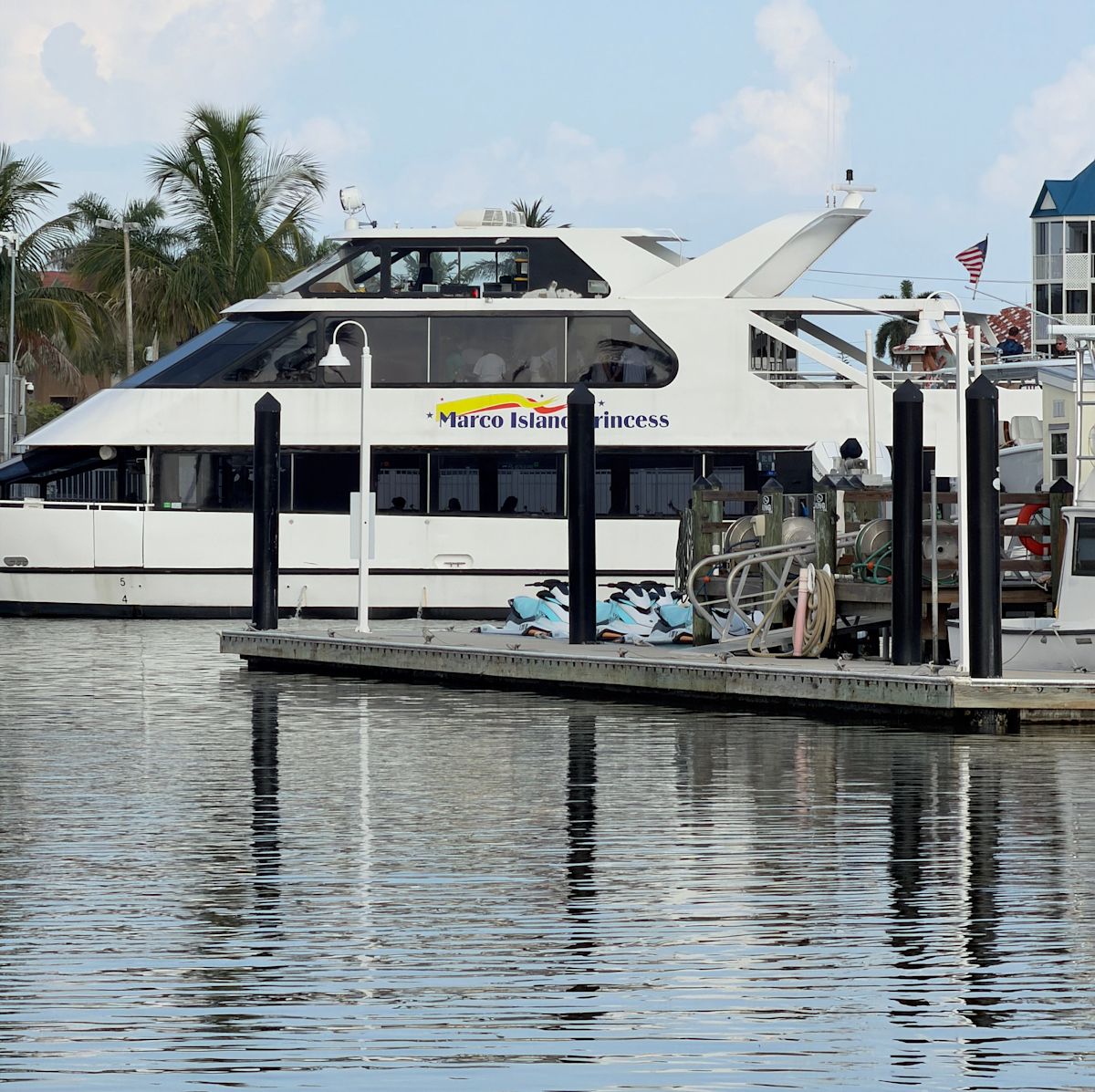
Following an exhaustive seven-and-a-half-hour public meeting that stretched into the early morning hours, the Marco Island City Council voted to approve key variances for a major expansion of Rose Marina. The decisive action came at 12:55 a.m. on Sept. 10, bringing a contentious, years-long municipal debate over waterfront growth and commercial tourism to a significant milestone.
By a 4-2 vote, council members approved three specific requests: a variance for landscaping and garbage facilities, a conditional use permit for boat storage, and a variance permitting the reconfiguration of existing docks. This municipal green light allows the marina to move forward with a comprehensive site development plan that had previously secured a 5-2 recommendation from the city's planning board in July.
The final determination marked the culmination of a protracted regulatory process spanning two full years. Before reaching the council floor for the marathon overnight session, the proposal had already undergone nine hours of detailed review across multiple planning board sessions, reflecting the deep divisions and intense scrutiny surrounding commercial development on the island.
Situated at 951 Bald Eagle Drive, Rose Marina plans to construct a 200-seat restaurant that will overlook and overhang the waters of Factory Bay. In addition to the dining venue, which qualifies as a permitted use under the property's C-5 commercial zoning classification, the approved project includes expanded vehicular parking infrastructure designed to support restaurant patrons alongside charter captains, boat renters, and commercial tourist vessels.
The marina has operated as a family-owned staple of the Marco Island waterfront since 1969. While supporters highlighted the business's multi-decade heritage and rights as a local commercial entity, the expansion proposal drew impassioned pushback from local residents worried about the escalating pace of development and its impact on the island's quality of life.
Throughout the prolonged public hearing, community members voiced alarm over commercial congestion, heightened traffic, and the potential influx of thousands of visitors. Critics leveled accusations of corporate greed and questioned whether proper administrative procedures were being respected, while proponents urged the city to support a long-standing local enterprise modernizing its facilities.
Much of the public apprehension centered around fears that Marco Island could lose its residential charm to commercialized tourism. Resident Mario Curiale captured this sentiment during public comment, stating that while he did not object to a restaurant, he strongly opposed larger vessels that could transform Marco Island into a crowded destination filled with trolley carts reminiscent of Key West.
Although large cruise operations were not a formal agenda item, the presence and potential growth of commercial passenger vessels dominated deliberations among both citizens and council members. Many residents urged city officials to intervene and restrict larger tourist ships from utilizing the privately owned commercial marina.
The discussion specifically scrutinized vessels operated by American Cruise Line, which measure between 243 and 248 feet in length and carry up to 130 passengers. The cruise line features vessels such as the American Maverick, American Pioneer, and American Ranger for itineraries stopping at Marco Island en route to Key West, with the American Patriot also noted among the company's fleet.
Because these regional cruises do not initiate their voyages in Marco Island, they do not require long-term passenger vehicle parking on site. Instead, shoreside operations rely on tour buses to manage passenger transfers, setting them apart from mega-cruise ships operated by major lines like Carnival and Disney, which can exceed 800 to 1,100 feet in length.
Land-use attorney Zach Lombardo, representing Rose Marina, presented technical and historical context to address public concerns. Lombardo pointed out that commercial passenger vessel traffic had already been contemplated and approved under the marina's 2003 site plan for a boat-dock extension, which was itself authorized following a contentious municipal review.
During the meeting, Council Chairman Darrin Palumbo questioned the marina's legal representative regarding physical vessel limits at the property. In response, Lombardo highlighted structural limitations, explaining that docks such as the 362-foot A Dock cannot physically accommodate oversized vessels exceeding specific dimensional parameters.
Lombardo also dismissed concerns that the marina could simultaneously offload upward of 1,200 passengers, explaining that physical site restrictions and parking constraints make such scenarios impossible. Even though zoning rules theoretically permit up to four vessels of 100 feet or 100 passengers across Factory Bay and Magnolia waterway, practical logistics limit bus operations to a maximum of three vehicles carrying no more than 150 people at any given time.
To further regulate operations and address neighborhood concerns, the planning board integrated a binding operational restriction into the development conditions. Under this rule, commercial debarkation vessels are strictly prohibited from remaining docked overnight at Rose Marina, with exceptions granted only during severe weather emergencies.
The impending construction has already affected existing maritime operations at the site. The Key West Express ferry service announced in August that it would suspend dockings at the marina for the upcoming winter season due to anticipated dock and parking enhancements, while confirming plans to resume regular service once improvements are finished.
With the City Council's early morning approval now finalized, Rose Marina is positioned to proceed with its phased modernization. The vote concludes a major chapter in Marco Island's ongoing effort to balance the property rights of historic commercial waterfront businesses against community demands for controlled growth and environmental preservation.







(0)