
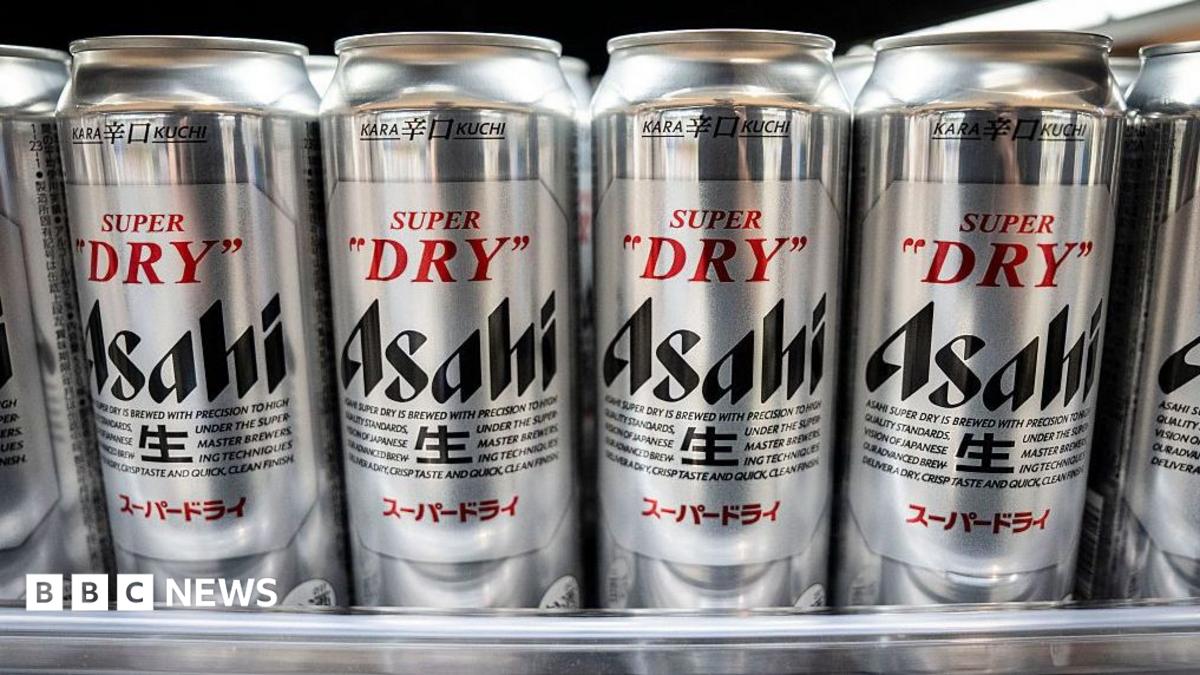
Japanese antitrust authorities have searched the offices of the country's largest beer producers as part of an investigation into suspected collusion over beverage pricing, according to statements from the companies involved.
The Japan Fair Trade Commission carried out raids on the premises of Asahi and Kirin, both of which acknowledged the searches and pledged to cooperate fully with the government body. Reports also indicated that Sapporo Breweries and Suntory Spirits were subject to similar searches, though neither company had issued a public statement at the time of reporting.
The investigation appears to centre on coordinated price increases implemented by the major brewers in April of last year and October 2022. The Japan Times first reported the scope of the probe, which examines whether the companies acted in concert when adjusting their pricing structures rather than competing independently.
All four firms had publicly announced price hikes during those periods, citing rising costs for raw materials as well as increased expenses related to energy and transportation. The question for regulators is whether those announcements reflected genuine independent responses to market conditions or were the product of anti-competitive coordination.
Kirin Holdings, the parent company of Kirin Brewery Company, confirmed that its subsidiary had been searched "on suspicion of a violation of the Antimonopoly Act." The company said it regarded the matter with seriousness and committed to cooperating with the commission's investigation and any related requests for assistance.
In a statement, Kirin Holdings added that the financial impact of the investigation had not yet been determined and that it would disclose any material developments as they emerged. Asahi Breweries similarly confirmed it was under investigation for a suspected violation of the Act on Prohibition of Private Monopolization and Maintenance of Fair Trade, adding that it would fully cooperate with the commission.
The Japan Fair Trade Commission has not issued a public comment on the raids. The commission typically conducts such searches to gather evidence before determining whether formal charges are warranted, and an investigation does not necessarily lead to enforcement action.
News of the investigation prompted immediate reactions in financial markets. Shares in Asahi, Kirin and Sapporo all declined following the disclosure of the raids on Wednesday. Suntory is not publicly listed, so its shares do not trade on open exchanges.
The Japanese beer market is among the most concentrated in the world, dominated by a small number of large producers. Asahi and Kirin together control a substantial share of domestic sales, while Sapporo and Suntory hold significant positions in specific segments. This concentration has long drawn regulatory attention in a country where beer and similar beverages are considered everyday staples.
Price increases in the sector are closely watched because they feed directly into household budgets and broader inflation measures. When major brewers raise prices in tandem, consumers and policymakers alike may question whether the increases reflect genuine cost pressures or coordinated behaviour that reduces competitive pressure.
Under Japan's antimonopoly framework, companies are prohibited from engaging in unreasonable restraint of trade, which includes agreements to fix prices. Violations can result in administrative orders requiring companies to cease the conduct, and in some cases, surcharges or other penalties. The law is designed to protect consumers by preserving competition in markets where a few large players hold significant power.
The timing of the alleged increases is notable, coming during a period when Japan experienced rising costs across multiple sectors. Energy prices, transportation expenses and raw material costs all climbed, creating legitimate reasons for producers to adjust prices. Regulators will need to distinguish between those legitimate pressures and any evidence of coordination among competitors.
Antitrust investigations in Japan have previously targeted various industries, including electronics, construction and consumer goods. The commission has shown willingness to pursue cases where evidence suggests companies acted together rather than independently. The outcome of this investigation could influence how the beverage industry approaches future pricing decisions.
For the companies involved, the immediate priority appears to be demonstrating cooperation. Both Asahi and Kirin have emphasised their commitment to working with authorities, a standard response in such situations that can help mitigate reputational damage while the investigation proceeds.
The broader implications extend beyond the companies themselves. If regulators find evidence of collusion, the case could prompt a review of pricing practices across the food and beverage sector. Retailers, distributors and consumers all have a stake in ensuring that prices are set competitively rather than through coordination.
Consumer advocacy groups in Japan have periodically raised concerns about the pricing of daily necessities, particularly when multiple producers announce similar increases within a short timeframe. While such patterns are not proof of wrongdoing, they can attract scrutiny from regulators tasked with maintaining fair competition.
The investigation also highlights the challenges of regulating concentrated markets. In industries where a handful of firms dominate, distinguishing between parallel behaviour driven by common market conditions and actual coordination requires detailed evidence. Antitrust authorities often rely on internal communications, meeting records and other documentation to make that determination.
As the investigation unfolds, the companies involved are likely to face continued market scrutiny. Investors will watch for any signals about potential penalties, while competitors and consumers will monitor whether pricing behaviour changes in response to the probe.
The Japan Fair Trade Commission has not indicated a timeline for its investigation. Such cases can take months or longer to resolve, depending on the complexity of the evidence and the number of companies involved. Until then, the beer makers are expected to continue normal operations while cooperating with authorities.
What began as routine price announcements has now evolved into a significant antitrust inquiry that could reshape competitive dynamics in one of Japan's most visible consumer markets. The coming months will determine whether the investigation results in formal action or concludes without further enforcement.





(0)