
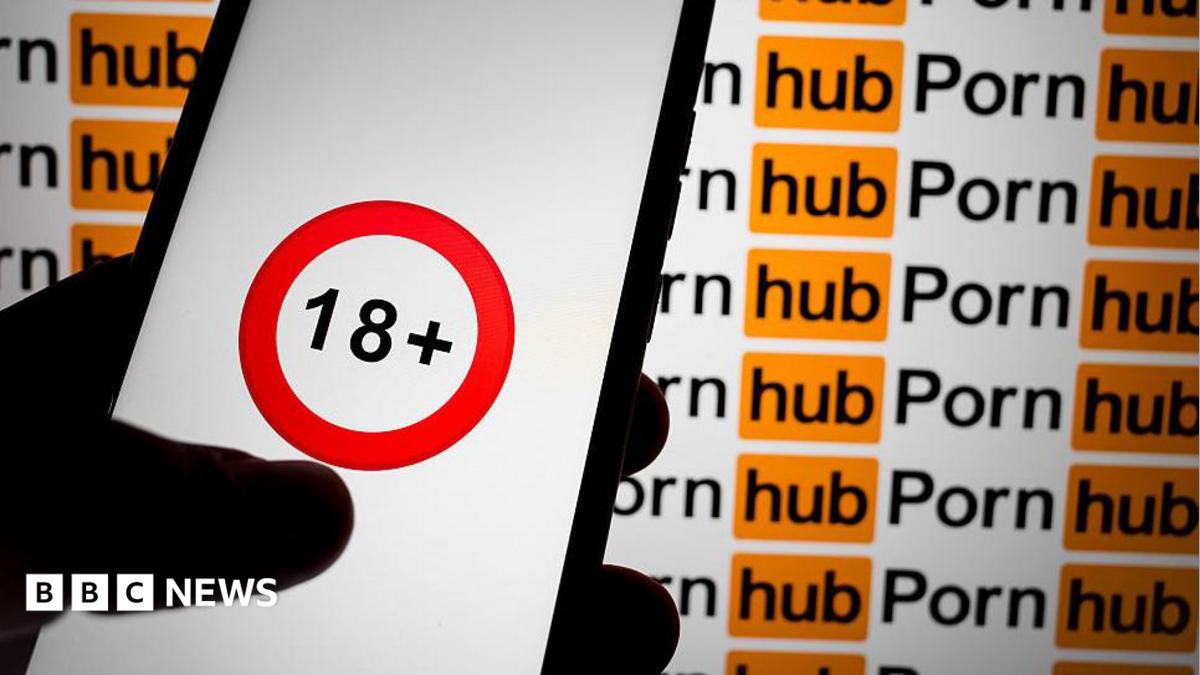
Pornhub has resumed operations in Australia after an eight-month absence, but the return comes with a significant caveat: only adults using Apple devices will be able to access the platform. The world's largest adult website withdrew from the Australian market in March in response to new age verification laws, and its partial comeback signals a strategic shift in how the company approaches regulatory compliance.
The parent company, Aylo, announced on Wednesday that it was restoring access for what it described as "eligible adult users in Australia" who have confirmed their age through Apple's Australian age-verification process. This development follows Apple's recent introduction of age checks in Australia, building on a similar rollout in the United Kingdom.
When Pornhub initially pulled out of Australia in March, the company cited concerns that the new laws requiring users to prove they were over 18 would not effectively protect children. Aylo argued at the time that the legislation "instead creates harms relating to data privacy" and would expose users to content on non-compliant platforms that do not adhere to the same regulatory standards.
Australia's stricter laws, introduced in March, mandate that users must verify they are over 18 to access adult content, including pornography, R-rated video games, and sexually explicit AI chatbots. The country's online safety regulator has stated that these changes are designed to shield children from harmful content, with platforms facing fines for any breaches of the regulations.
From the outset, critics raised concerns about potential issues with data privacy and the possibility that users could find ways to circumvent age-verification technologies, which include facial recognition, digital identification, and credit card details. These concerns echoed arguments that Aylo itself had made when it decided to exit the Australian market.
In explaining its decision to return, Aylo praised Apple for what it called setting a benchmark by establishing default child safety features on all devices unless owners confirm they are adults. The company said this approach effectively makes "every phone or tablet kid-safe as a starting point," a significant shift in how age verification can be implemented at the device level rather than requiring individual website checks.
Alex Kekesi, Aylo's vice-president of brand and community, emphasized that the company had long advocated for device-based age verification as the most effective and privacy-protecting method to prevent minors from accessing age-inappropriate content online. She described this approach as superior to requiring users to submit personal information to multiple platforms.
Under the new arrangement, Australians with Apple devices that have been age-verified will receive what Kekesi described as "a standard adult users experience." This means they can access the platform without undergoing additional verification steps on the website itself.
Kekesi further noted that having child safety features as a default on devices means adults do not have to surrender unnecessary personal information to multiple apps and websites. This reduces the risk of data breaches and limits how much sensitive information is spread across various online services.
Another advantage highlighted by Aylo is that device-based verification makes it more difficult for users to employ virtual private networks, or VPNs, to bypass age-verification technologies. VPNs are commonly used to trick websites into believing a user is logging on from a different country, thereby granting access to restricted content. By verifying age at the device level, this workaround becomes less effective.
The decision to restore access exclusively for Apple users represents a notable development in the ongoing global debate over how best to verify ages online while protecting user privacy. It positions Apple's approach as a potential model for other jurisdictions grappling with similar regulatory challenges.
However, the limited nature of Pornhub's return raises questions about what will happen for Australian adults who do not use Apple devices. The company has not indicated whether it plans to extend access to users of other platforms, leaving a significant portion of the adult population unable to access the site through its main domain.
The situation also underscores broader tensions between governments seeking to protect minors online and technology companies concerned about privacy implications and the practical challenges of implementing effective age verification. Australia's experience could serve as a test case for other countries considering similar legislation.
For now, the partial restoration of Pornhub in Australia marks a compromise of sorts, one that satisfies the country's regulatory requirements through Apple's device-level verification while addressing some of Aylo's stated privacy concerns. Whether this model proves sustainable or expands to include other device manufacturers remains an open question.
The online safety regulator has not yet commented on Pornhub's partial return or whether it considers the Apple-based verification sufficient to meet the requirements of Australian law. As the situation develops, it will likely inform future discussions about the balance between child protection, privacy rights, and access to legal adult content.






(0)