
Gardening enthusiasts looking to infuse their outdoor spaces with a whimsical, storybook charm often turn to plants with distinctive drooping and bell-like silhouettes. These blossoms offer a refreshing contrast to standard flat or daisy-form petals, adding grace, architectural depth, and movement to landscape designs. Whether nestled along winding footpaths, positioned in expansive planting beds, or featured in patio containers, bell-shaped flowers provide versatile options for virtually every type of setting.
Beyond visual appeal, these diverse varieties accommodate a wide range of growing conditions and seasonal timelines. Cultivators can select from towering specimens that command attention in shaded borders to compact ground-level varieties that flourish in rocky, sun-drenched patches. Furthermore, many of these plants offer practical horticultural advantages, such as attracting beneficial pollinators or deterring foraging wildlife, making them valuable assets for sustainable gardening.
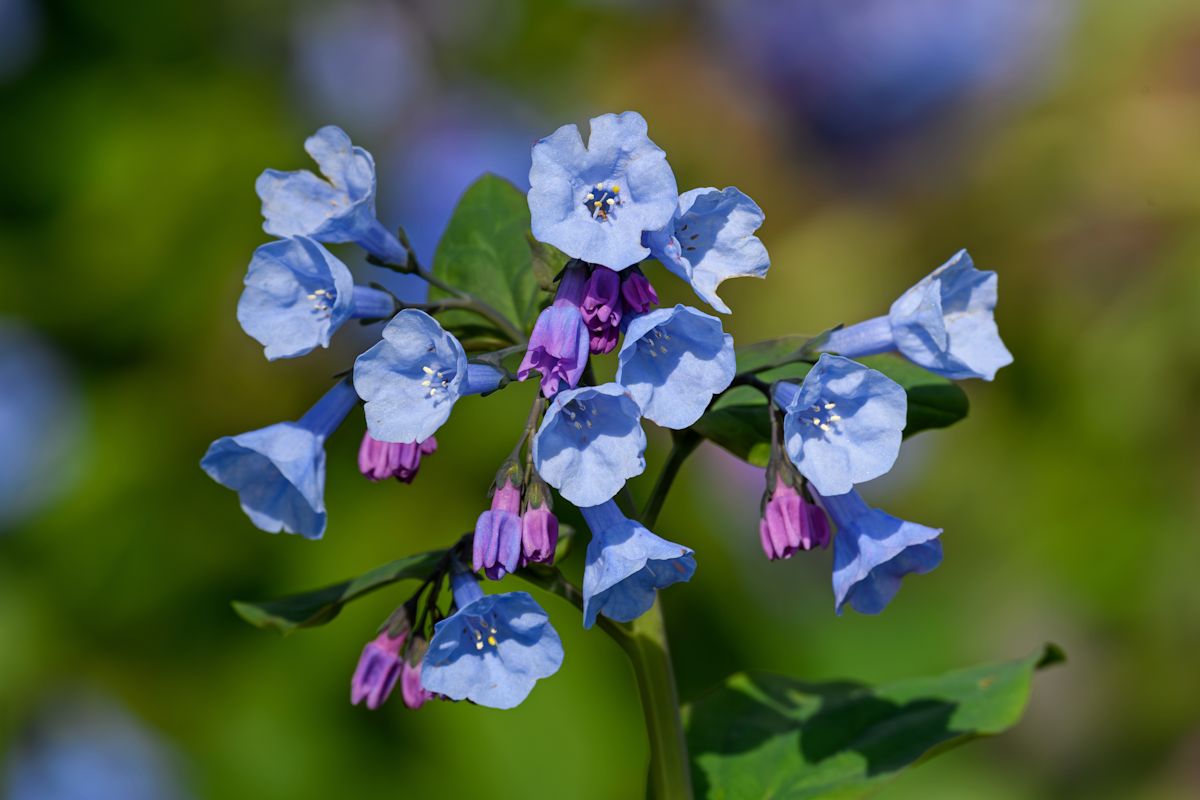
Among the early spring highlights is the Virginia bluebell, an Eastern United States native renowned for its shifting palette. Growing on stems that can reach up to 24 inches in height, this plant displays rounded, gray-green foliage and clusters of tubular buds that transition from soft pink to radiant blue before entering summer dormancy. Because they naturalize readily, Virginia bluebells are ideal for forming sweeping drifts of color beneath deciduous trees.
Another native gem suitable for shaded settings is bellwort. This spring-blooming wildflower features charming, nodding flowers with elongated yellow petals that bring a gentle illumination to dim garden corners. Thriving within USDA Hardiness Zones 4 through 9, bellwort integrates smoothly into shade gardens where subtle textures and soft tones are preferred.
For gardeners seeking unique patterns and natural pest resistance, fritillaries present an intriguing option. Distinguished by their bell-shaped forms and distinctive checkered markings, these bulbs perform best in cool, well-drained soil under partial shade. In addition to enriching woodland gardens, fritillaries naturally deter squirrels and burrowing rodents. While varieties like *Fritillaria imperialis* are frequently cultivated as annuals, they can successfully rebloom as perennials when provided with proper environmental conditions.
Height and vertical drama can be achieved by incorporating foxglove into partially shaded locations. Suited for Zones 4 through 10, foxgloves produce tall, stately floral spikes adorned with tubular bells from late spring into the early weeks of summer. Their commanding presence makes them a classic focal point in layered border arrangements where upward dimension is needed.
Low-growing perennials such as coral bells (*Heuchera spp.*) provide continuous multi-seasonal interest through both their foliage and flowers. Known for resilient mounds of vibrant leaves, coral bells send up airy spikes of tiny, bell-shaped blossoms that draw bees and other pollinating insects. Rarely affected by disease, these durable perennials thrive in shaded woodland spaces and require minimal intervention once established.
Winter’s end brings the emergence of snowdrops, which signal the start of the growing season with delicate white, downward-facing blossoms. These resilient plants can navigate clay soil provided it remains uncompacted and well-drained. Performing exceptionally well in partially shaded borders, snowdrops offer welcome early-season color before most other perennials break their winter rest.
Gardeners managing dry, exposed sites can look to beardtongue, commonly known as penstemon. Capable of reaching up to 4 feet in height across Zones 3 through 9, beardtongue thrives in rocky, nutrient-poor soils with sharp drainage under full sunlight. Featuring showy, long-lasting flowers characterized by a distinctive sterile stamen, this plant requires only weekly hydration during the heat of summer.
Shrub selections also include bell-flowered varieties, notably weigela. Reaching mature heights of up to 6 feet, this rapid-growing ornamental shrub flourishes in full sun and adapts easily to heavy clay soils. Its prolific pink to red blossoms serve as a rich nectar source for visiting pollinators, making it an effective candidate for flowering hedges and sunny boundary plantings.
For indoor growers and early-season outdoor beds, hyacinths deliver both vivid color and pronounced fragrance. These classic spring-blooming bulbs can be forced indoors for early displays or planted outdoors in well-drained earth. Available in a diverse spectrum encompassing shades of pink, white, and blue, hyacinths supply a sensory boost to spring walkways and indoor containers alike.
Traditional bellflowers (*Campanula*) remain a dependable staple for sunny borders, producing nectar-rich flowers in hues of purple, blue, and clean white. Sharing similar architectural qualities, the golden columbine (*Aquilegia chrysantha*) pairs bright, five-spurred bell blooms with dark, clover-shaped foliage. Columbines are well-suited for exposed slopes, rocky ledges, and open beds, where they attract beneficial wildlife while naturally repelling browsing deer.
Classic daffodils (*Narcissus*) offer timeless appeal with their trumpet-shaped central cups framed by outer petals. Thriving in Zones 3 through 8 under full or partial sunlight, daffodils are remarkably low-maintenance bulbs that steadily increase and spread over time, creating enduring displays in well-drained garden soil.
Shady borders frequently troubled by wildlife can benefit from lungwort (*Pulmonaria*). Blooming in the earliest days of spring, this shade-loving perennial relies on textured, hairy foliage to discourage deer browsing. Its resilience and early flowering habit make it a dependable choice for planting underneath dense tree canopies.
Rounding out the collection, morning glory vines provide rapid, upward growth and dynamic daily displays. Renowned for substantial trumpet-shaped blue blooms that unfold with the morning sun and close by afternoon, these vigorous climbers thrive in full sun with consistent watering and good drainage. While grown primarily as annuals, morning glories can persist as perennials in warmer climates.
By blending these 14 distinct species, gardeners can design a varied, multi-tiered landscape that provides continuous floral interest from late winter through the summer months. Whether chosen for pest deterrence, pollinator support, or pure visual elegance, bell-shaped flowers remain among the most rewarding additions to the home garden.






(0)