
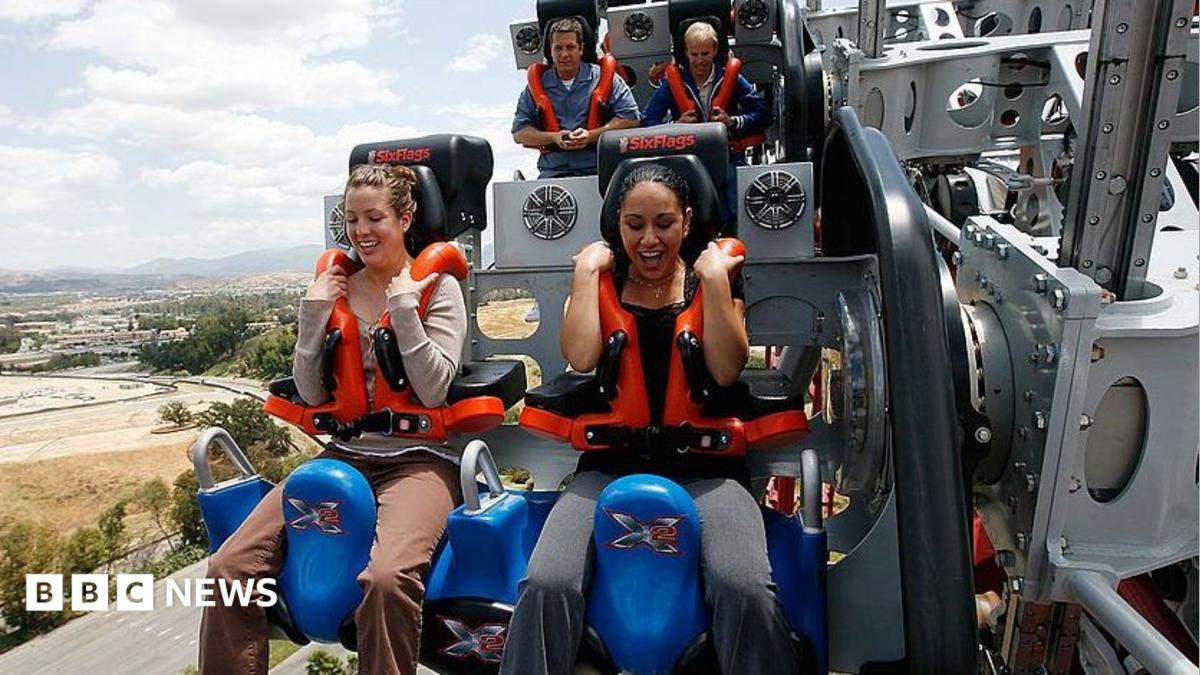
Six Flags Magic Mountain, the amusement park in Valencia, California, has confirmed that it will permanently retire its signature rollercoaster, the X2, following a wave of lawsuits and news reports alleging that hundreds of riders suffered brain injuries while on the ride. The announcement, made on Tuesday, ends months of speculation about the future of one of the park's best-known attractions — and one of its most controversial.
The X2 has already been out of service since July. Park officials described the decision as permanent, saying the coaster, whose seats spin through 360 degrees and which regularly generated long queues, had passed a range of safety tests but was being retired simply because it was the correct course of action. In a statement, Six Flags Magic Mountain park president Brian Oerding said ride safety was fundamental to the company's business and that it responds seriously whenever guest confidence is affected.
The decision follows a lengthy campaign by lawyers representing people who say they were harmed. Dordick Law Corporation, which has filed civil lawsuits against the park, said it had been contacted by hundreds of individuals alleging injuries they believe were caused by riding X2. The firm said several of its clients required emergency brain surgery and that others remain in the long process of rebuilding their lives.
The law firm's response to the closure was sharply critical of its timing. While acknowledging that taking the ride out of service protects future visitors, Dordick said the announcement does nothing for those who were injured on it before the closure. In its view, the move came too late to matter to the people who had already come forward.
The ride's history stretches back more than two decades. It debuted in 2002 under the simpler name X, but was shut down within months after design flaws were identified, according to the Los Angeles Times. It reopened, then closed again in 2007 so that its trains could be replaced with lighter versions. When it returned the following year it was rebranded as X2, and the park says more than 16 million people have ridden it since.
Among the cases that drew the most attention was that of Christopher Hawley, a 22-year-old who died after riding X2 in 2022. His family's lawyers had represented them in a wrongful death suit, which was settled with the theme park in August — the same month in which the closure decision was reported.
Brent Wisner, an attorney at Wisner Baum LLP acting for the Hawley family, said the family is relieved that the ride is finally going away, but stressed that the announcement does not alter the central fact of the case: that a young man was killed on a machine he says was dangerous, and that it was permitted to keep operating for nearly two decades. Wisner said the tragedy cannot be undone by any later decision to close the attraction.
He went further, calling for structural change rather than corporate goodwill. Wisner urged legal reform, more proactive regulation and what he described as proper governmental oversight of extreme rides. In his view, the industry cannot be left to depend on profit-driven operators choosing to act only once a sufficient number of people have been hurt, and he said he hopes whatever eventually replaces the X2 will prove safe.
The closure raises broader questions that the announcement itself does not answer. Six Flags maintains that the ride met its safety testing requirements, yet the volume of injury claims — and at least one reported death — has produced a different verdict from plaintiffs' lawyers and from the family of a victim who died young. How those competing accounts are weighed in court, and whether regulators take a closer look at the design and operation of high-thrill coasters, are likely to shape what happens next.
For park-goers, the immediate effect is practical: one of Magic Mountain's headline draws will not return, and the ride that replaced it in 2002 will carry the burden of comparison. For the company, the reputational cost may prove more significant than the loss of a single attraction, particularly as litigation arising from X2 continues.
For the hundreds of people who came forward, however, the practical consequences of riding X2 remain unresolved. Closing the coaster ends the exposure of future guests, but it does not settle the lawsuits, offer compensation for those who required surgery, or answer the calls for oversight that lawyers say are overdue.




(0)