
Rescue teams in Nepal have recovered two bodies from the site of an avalanche that swept through a climbing camp high in the Himalayas, as authorities continue searching for roughly a dozen people still unaccounted for beneath the snow.
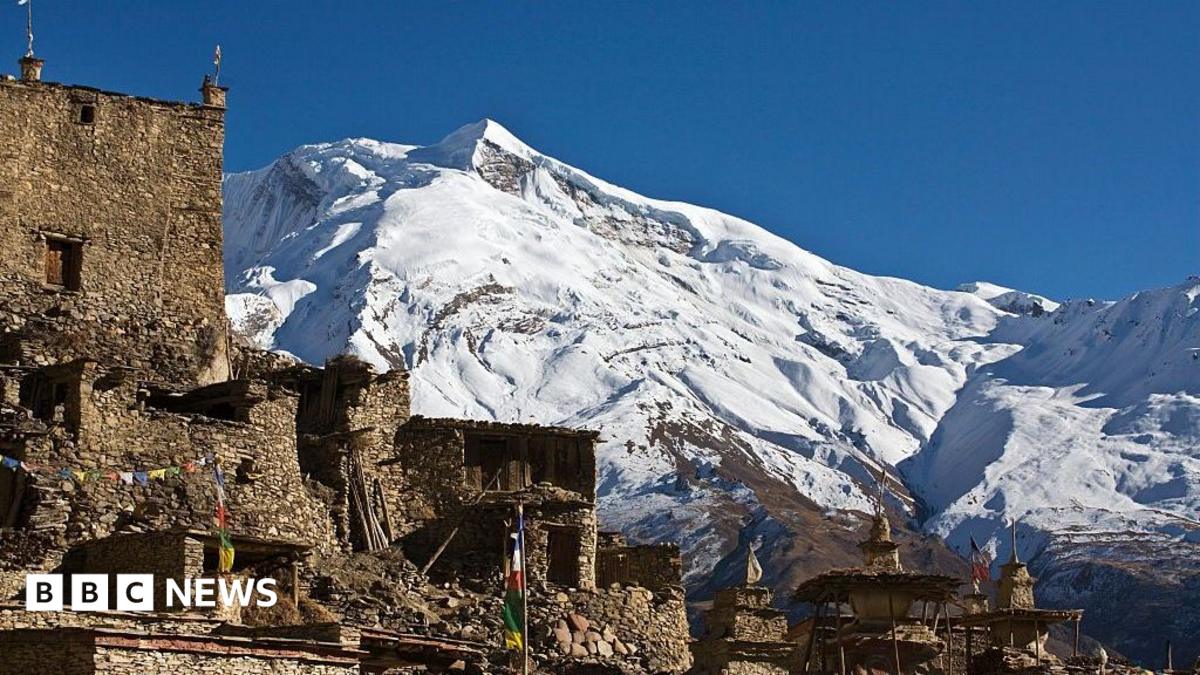
The disaster unfolded on Sunday morning when a massive slab of snow broke loose and crashed down onto the base camp of Himlung Himal, a peak that rises 7,126 metres (23,380 feet) above sea level in Nepal's Manang district, close to the country's northern border with Tibet.
The camp was occupied by a team of Nepalese nationals, a group that combined experienced climbers with support staff. They had been dispatched ahead of foreign expedition members as part of standard preparations, tasked with setting up the camp, managing the climbing route and installing the fixed ropes that paying clients would later rely on to reach the summit.
According to Bibhuti Chand Thakur, who works with the trekking operator Himalaya Holidays Trekking, at least eight members of his expedition team have been reported missing. He gave the figure in comments to the news agency AFP. Officials have cautioned, however, that the precise number of people still unaccounted for has not been firmly established.
The difficulty of arriving at a confirmed tally reflects both the chaos of the immediate aftermath and the challenging conditions facing responders. The scale of the missing list also underscores how quickly a routine support operation can turn into a mass-casualty event in some of the world's most unforgiving terrain.
Weather conditions in the days before the avalanche had been severe. Forecasts indicated heavy snowfall around the peak, which sits in a stretch of the Himalayan range notorious for sudden and violent changes in conditions. That accumulation of fresh snow is widely considered a key factor in raising the risk of slides on steep slopes.
The bad weather did not stop when the snow did. Poor visibility and ongoing precipitation initially prevented helicopters and ground rescue teams from reaching the remote site, leaving those trapped or buried without immediate assistance during the critical early hours.
A rescue squad made up of highly experienced mountaineers was mobilised from Kathmandu, Nepal's capital, and flown toward the disaster zone by helicopter. Local media reported that the operation would have to continue into Monday, with thick snow and unfavourable weather continuing to obstruct access.
The delays highlight a recurring problem for rescue operations in the high Himalayas. Even when elite responders and aircraft are available, the thin air, steep terrain and volatile weather frequently combine to make reaching a stricken camp slow and dangerous in its own right.
Nepal's mountainous districts have endured persistent rain and snow in recent days, producing hazardous conditions across a region whose economy depends heavily on climbing and trekking tourism. The industry draws thousands of foreign visitors each year and provides livelihoods for guides, porters, cooks and logistics crews.
The dangers were already evident earlier in the week, when climbers were forced to abandon Mount Manaslu, the eighth-highest mountain in the world, because of a growing threat from avalanches. That decision, taken to protect expedition members, illustrates how broadly unstable the snowpack has become across Nepal's high peaks.
Sunday's avalanche also carries a painful echo of a recent tragedy. Fewer than two months ago, six climbers died on Broad Peak in Pakistan, a group that included the renowned British-Nepalese mountaineer Nirmal Purja, whose record-setting achievements had made him one of the best-known figures in modern alpinism.
For Nepal's guiding community, the loss of local climbers and support staff carries particular weight. These workers often take on the most exposed tasks on a mountain, preparing routes and fixing ropes before clients arrive, and their deaths can devastate families and small expedition businesses alike.
The disaster comes amid a broader period of extreme weather and environmental instability across South Asia. Search efforts are still under way on the Nepal-Tibet border, where more than 6,000 people remain missing following a huge flood and landslide in August. In that catastrophe, a glacial collapse sent enormous volumes of water and debris surging down the Trishuli River valley, wiping out settlements and leaving more than 1,400 people confirmed dead.
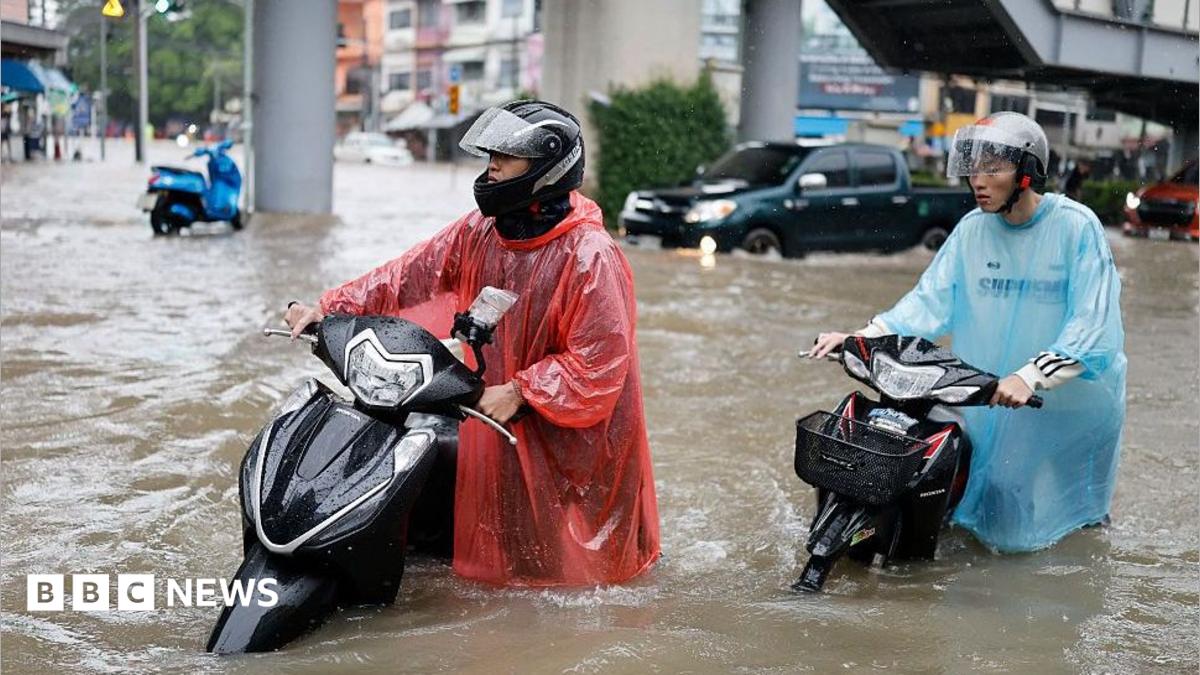
Elsewhere in Asia, the past week has brought further destruction. Officials in the neighbouring Indian region of Uttar Pradesh said extreme weather there had killed more than 50 people. In Thailand, a flood emergency was declared across Bangkok after heavy rainfall that began on Thursday, with authorities urging residents to stay at home or move to higher floors.
Japan was also hit. A deadly typhoon battered Tokyo earlier in the week, triggering landslides in neighbouring prefectures that killed four people. Typhoon Dujuan formed part of a string of Pacific storms whose intensity has been amplified by a "super El Niño", a zone of unusually warm sea water that helps powerful storms develop.
For Nepal, the immediate priority remains the search at Himlung Himal. As long as snow continues to fall and cloud keeps aircraft grounded, the window for finding survivors narrows, and the operation becomes as much a recovery effort as a rescue mission.








(0)