
As his pickup truck approached the armed checkpoint guarding the perimeter of San Ángel Zurumucapio, 18-year-old Óscar García eased his foot off the gas. Masked guards clutching semi-automatic rifles stood watch behind fortified barricades. Óscar recognized several of the local men by their nicknames, calling out to them through the open window before being waved through the security perimeter that now divides this indigenous Mexican community from the outside world.
Seated in the passenger seat wearing a traditional straw cowboy hat, Óscar’s 74-year-old grandfather, Francisco, watched the armed sentries with a mixture of sorrow and resignation. For generations, the mountain slopes of western Mexico were quiet and heavily forested. The rapid rise of the commercial avocado sector fundamentally reshaped the region's fortunes, bringing vast wealth alongside an unrelenting wave of organized violence.
Today, managing the family orchards falls squarely on Óscar’s young shoulders. Driving along a rutted dirt road carved through steep mountainside groves, he came to a stop at the exact location where his family's world unraveled. It was on this secluded stretch of road that authorities discovered the abandoned truck belonging to his father, a respected local grower who disappeared following an apparent abduction.
San Ángel Zurumucapio is a close-knit municipality of approximately 6,000 people with deep P'urhépecha indigenous roots. Long before commercial agriculture dominated the terrain, life in the town centered on communal traditions, local rodeos, and shared lineage, with many residents linked through extensive family ties.
Decades ago, the landscape consisted largely of untouched pine forests. Francisco made a modest living navigating the wilderness on horseback, harvesting resin from the native pine trees. Because local economic opportunities were virtually nonexistent, many men were forced to migrate north. Francisco traveled to Texas for work to support his 12 children and build a home large enough to house his family.
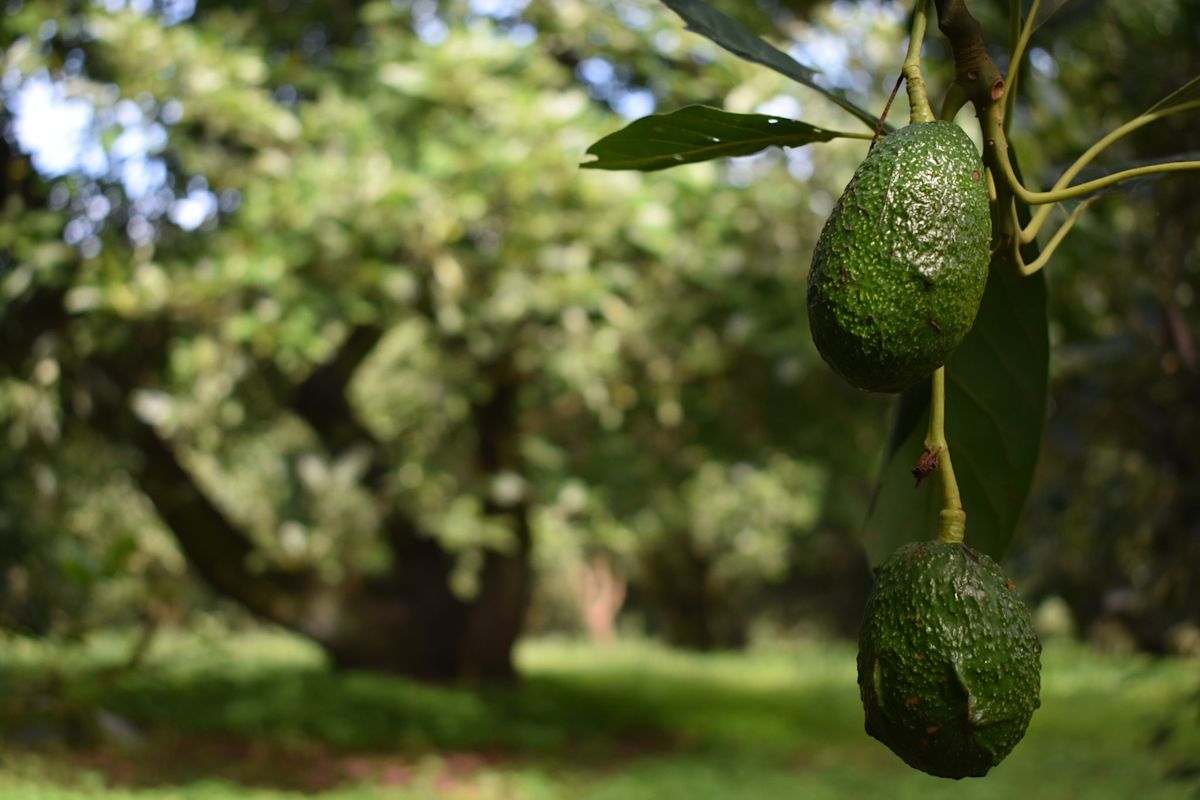
Following in his father's footsteps, Francisco's eldest son, known locally as Pancho, left for the United States as a teenager. Pancho spent six years laboring on Christmas tree farms in North Carolina before saving enough capital to return to Michoacán. Upon his return, Pancho and his wife, Terésa Pérez, cleared a parcel of woodland to plant their very first avocado trees, catching the front edge of an impending agricultural revolution.
The economic turning point arrived in 1997, when authorities ended a long-standing U.S. embargo on Mexican avocado imports under the framework of the North American Free Trade Agreement. The policy shift opened the floodgates to immense international demand, establishing the state of Michoacán as the primary global hub for avocado cultivation and export.
For agrarian families like Pancho’s, the boom created unprecedented upward mobility. The steady revenue allowed Pancho and Terésa to build a modern residence, purchase reliable vehicles, and take their three children—Ana, Óscar, and José—on coastal family vacations. Across the community, growers used their agricultural profits to afford quality clothing and private schooling for the younger generation.
However, the rapid conversion of hundreds of thousands of acres into commercial orchards came with severe environmental fallout. Widespread clearing of native forests altered local microclimates, fueling rising regional temperatures and triggering noticeable decreases in seasonal rainfall across the territory.
The lucrative cash flows also caught the attention of organized crime syndicates. By the mid-2000s, criminal cartels that had previously focused on trafficking cocaine, heroin, and methamphetamine diversified into the lucrative agricultural sector. Armed gangs began extorting growers for steep "protection" payments, seizing established groves by force, and clearing protected lands to plant illicit orchards of their own.
In towns like San Ángel Zurumucapio, criminal operatives operated openly, driving high-end vehicles through residential streets while playing loud banda music and intimidating locals. Shootouts erupted near schools and community shrines, including a neighborhood altar honoring the Virgin Mary that Francisco had personally helped erect. Abductions became increasingly common, leaving families in perpetual distress as kidnappers demanded large ransoms.
Despite the mounting danger, Pancho remained committed to a quiet, peaceful life. He spent his evenings at home with his wife and children, teaching Óscar how to properly fertilize the trees and diagnose plant diseases. Even as friends and relatives armed themselves for protection, Pancho consistently refused to purchase a firearm, questioning why an ordinary farmer would need weapons to defend his daily labor.
As criminal extortion deepened and conventional law enforcement failed to stem the violence, residents in San Ángel Zurumucapio mobilized. The indigenous hamlet established autonomous governance structures and created armed self-defense militias, manning entry points and setting up defensive perimeters to shield agricultural workers and their households.
Yet the fortified defenses and community patrols have not fully insulated local growers from the reach of criminal groups operating in the rugged terrain outside town. The sudden disappearance of Pancho remains a stark illustration of the vulnerability confronting farmers whose livelihood depends on tending isolated mountain plots.
For Óscar and his grandfather, the ongoing harvest is now shadowed by grief and persistent vigilance. While the global appetite for avocados transformed their town from an impoverished hamlet into a prosperous agricultural powerhouse, it also left an indelible legacy of insecurity, forcing a new generation to tend their crops beneath the constant threat of violence.









(0)