
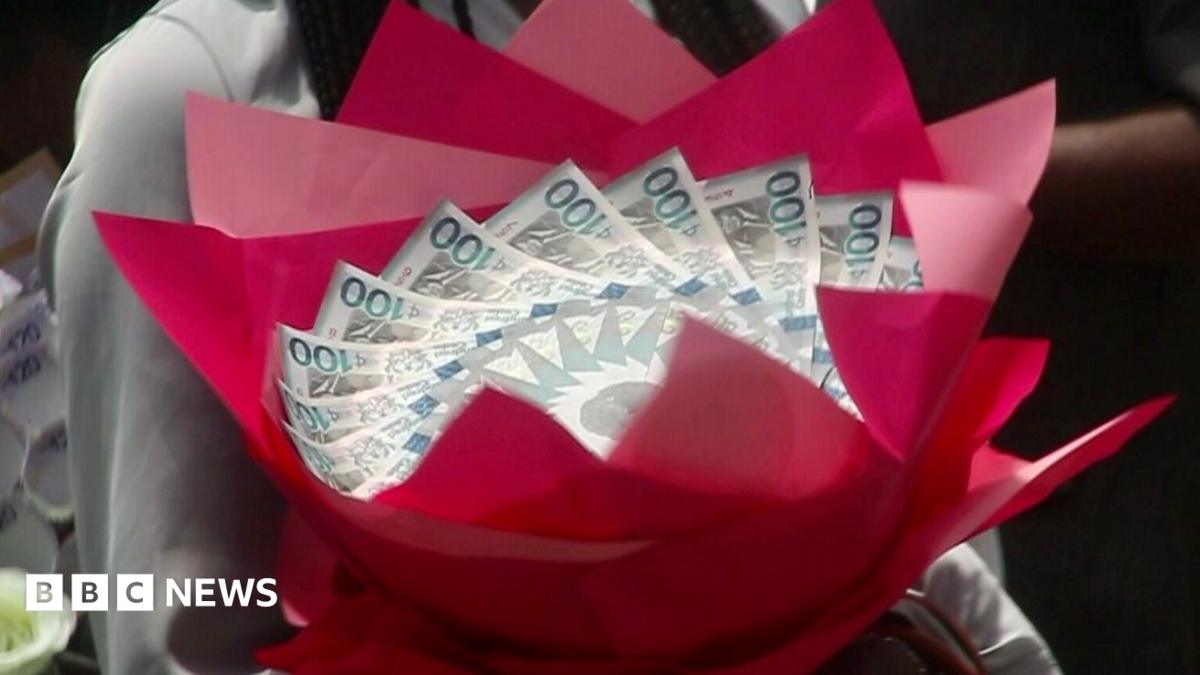
Authorities in Ghana have arrested seven people in what has become the country's most significant enforcement action to date against the misuse of its national currency. All seven suspects are women, and they stand accused of using Ghanaian banknotes to craft decorative "money bouquets" and adorn cakes, a practice that has grown increasingly popular in recent years but which the central bank insists is illegal.
The arrests were made in Accra, the capital, following a tip-off that prompted a coordinated swoop by police working alongside officials from the Bank of Ghana. According to the central bank, the suspects are alleged to have been selling these currency-based floral arrangements in various parts of the city. Investigators believe the women operated in different neighbourhoods, suggesting a scattered but apparently thriving trade in notes fashioned into celebratory gifts.
The Bank of Ghana has taken a firm position on the matter, describing the use of banknotes in such decorations as a form of misuse and improper handling of the cedi. It points to existing regulations that prohibit defacing or unlawfully altering the national currency, warning that such conduct can undermine the note's lawful value and intended use.
This enforcement action did not come entirely without warning. In July, the central bank issued a formal notice alerting the public that turning currency into decorative items could constitute a criminal offence. That notice specifically cautioned against "acts that tend to depreciate or impair the national currency, including any conduct that undermines its lawful value or use." The latest arrests appear to be a direct follow-through on that public advisory.
Speaking after the arrests, Dinah Bonzi, an official in the Bank of Ghana's currency department, made clear that the crackdown could widen. She explained that anyone who aids or promotes such activities may also face arrest and prosecution. "The Ghana cedi is legal tender… and must be treated with respect," she said. "The misuse or abuse of the currency is an offence and may attract sanctions under the law." She added that the arrests should serve as a clear warning to the public, urging Ghanaians to handle the cedi with dignity.
The suspects now face prosecution, with the court yet to determine whether they will receive a fine or a jail term. The outcome of their case could set an important precedent for how aggressively Ghanaian authorities pursue similar offences in the future. Police have launched investigations into the broader network behind the bouquets, and more arrests have not been ruled out.
Money bouquets and cakes decorated with currency have become a staple of Ghanaian celebrations, particularly weddings, birthdays and graduations. The arrangements are often commissioned as gifts, with the recipient able to unwrap folded or rolled banknotes after the event. In a country where cash gifts carry deep cultural significance, the bouquets have come to symbolise both affection and status, making them a desirable present for milestone occasions.
However, the central bank has repeatedly warned against a range of related practices. These include "spraying," the custom of throwing money at events such as weddings, as well as writing on or altering notes and using them in floral-like decorations. Each of these activities, according to the Bank of Ghana, risks damaging the physical integrity of the currency and erodes the respect with which legal tender should be treated.
Ghana is not alone in confronting this issue. The use of money decorations has gained a foothold in several other African countries in recent years. Authorities in Kenya, Nigeria, South Africa and Botswana have all issued warnings against misusing their national currencies. Kenya's central bank, for instance, has previously cautioned that banknote bouquets could land perpetrators in jail, while Nigeria has grappled publicly with the dilemma posed by cash-throwing at weddings.
The enforcement action in Accra is significant because it represents the biggest application of the law against currency misuse in Ghana to date. Previous warnings had been issued without widespread arrests, leading some to regard the rules as loosely enforced. The swoop on the seven women therefore signals a shift towards stricter compliance, at least in the capital.
For the vendors who have built small businesses around crafting and selling these bouquets, the arrests raise difficult questions about their livelihoods. The trade has developed organically in response to demand, and many sellers may not have appreciated that their work could be treated as a criminal offence. The central bank's messaging now appears designed to remove any ambiguity on that point.
Legal experts note that central banks across the region are increasingly concerned about the condition of circulating notes. Defaced, folded or otherwise altered banknotes can be rejected by traders and may need to be withdrawn and replaced, imposing costs on the state. From the regulator's perspective, preserving the quality and credibility of the currency is a matter of economic management, not merely etiquette.
The Bank of Ghana has framed its campaign in terms of civic duty as much as legal obligation. By calling on the public to treat the cedi with respect, officials are appealing to national pride while simultaneously threatening sanctions. Whether this combination of persuasion and prosecution will curb demand for money bouquets remains to be seen, particularly given how deeply embedded cash gifting is in Ghanaian social life.
For now, the seven suspects await their day in court, and the case will likely be watched closely by vendors, event planners and celebrants across the country. The central bank's message is unambiguous: the cedi is legal tender, not decoration, and those who blur that line may find themselves facing the full weight of the law.


(0)