
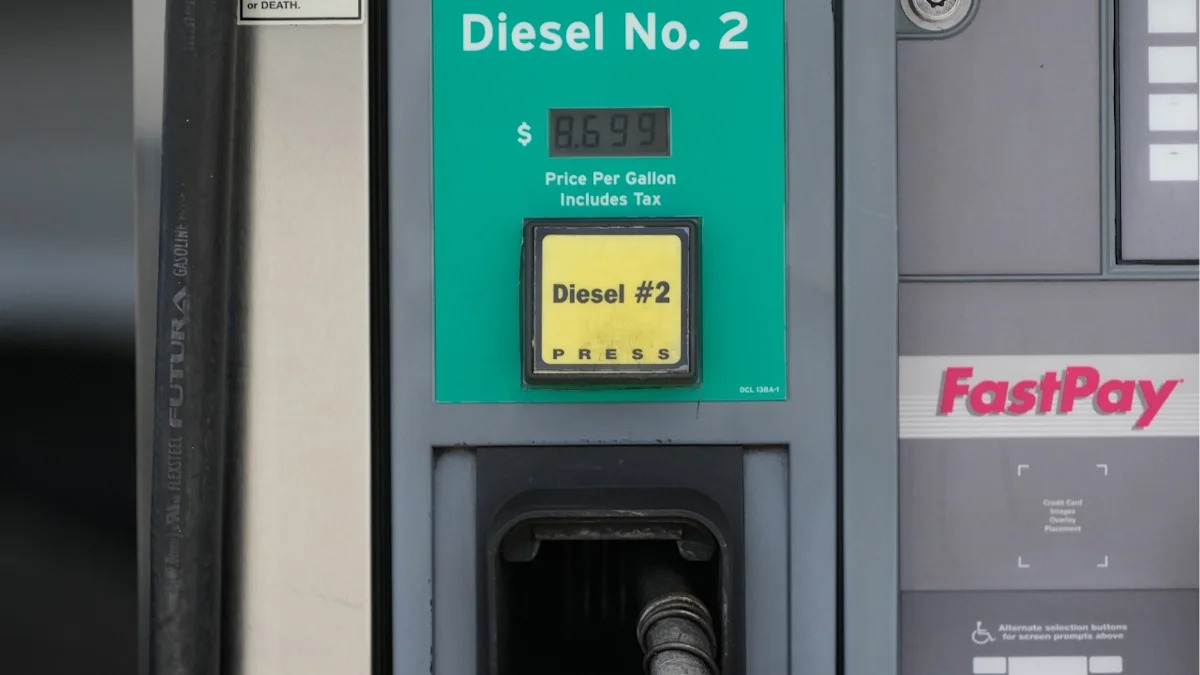
Diesel fuel prices across California have climbed to historic highs, delivering a severe financial blow to transportation networks and freight operators throughout the region. In several prominent metropolitan pockets, most notably within the San Francisco Bay Area, retail pumps have been spotted listing diesel prices approaching nine dollars per gallon, setting off fresh alarms regarding the broader economic ramifications of escalating operational overhead.
The unprecedented price threshold has placed an immediate strain on local commercial transport, where heavy-duty vehicles depend entirely on stable fuel supplies to move daily shipments. For independent truckers and commercial freight operators navigating the Bay Area corridor, the escalation has transformed routine refueling stops into major balance-sheet disruptions, squeezing margins that were already narrowed by inflationary pressures across vehicle maintenance and parts.
California has traditionally registered the highest fuel costs in the nation, largely due to a distinct combination of state environmental standards, specialized fuel blending requirements, and high excise taxes. When broader energy markets experience structural supply bottlenecks or international commodity turbulence, the Golden State's fuel market tends to amplify those shocks at the retail level much faster and more acutely than other domestic regions.
Energy market analysts point to a confluence of supply-side constraints as the driving force behind the price surge. Refineries across the West Coast have faced tight output constraints and scheduled maintenance schedules, restricting the immediate volume of ultra-low sulfur diesel available for distribution. Because California operates largely as an isolated energy market with limited direct pipeline integration from major Gulf Coast refining complexes, local distributors must rely on in-state production or expensive marine imports to offset shortfalls.
The direct fallout is being absorbed most acutely by the commercial trucking sector, which serves as the foundational backbone for regional commerce. Heavy haulers traveling along major thoroughfares, including Interstate 80 and the Highway 101 corridor, are finding their daily operational costs elevated to unsustainable levels. A full tank for a standard long-haul commercial tractor-trailer can now cost well over a thousand dollars, forcing smaller fleet owners to re-evaluate their service routes and contract terms.
To cope with these soaring pump expenses, logistics and freight firms are actively updating their fuel surcharge structures. These automated surcharges allow transportation companies to pass a portion of the extra expenditure directly onto cargo shippers. However, smaller owner-operators who operate under fixed-rate contracts often find themselves absorbing the immediate financial deficit out of pocket before contract renegotiations can occur, leaving many vulnerable to insolvency.
The secondary effects of elevated diesel prices extend far beyond the highway transportation sector, directly impacting consumer pricing. Because virtually all consumer products, agricultural yields, and manufacturing components move via commercial truck at various stages of the supply chain, the compounded cost of delivery is progressively embedded into final retail pricing. Economists caution that sustained fuel cost spikes will inevitably maintain upward pressure on consumer prices across retail shelves.
California's extensive agricultural sector, centered in the nearby Central Valley, is particularly exposed to the sustained run-up in fuel expenses. Agricultural producers rely heavily on diesel-powered equipment for field harvesting, processing machinery, and temperature-controlled freight vehicles that deliver fresh produce into dense coastal consumer markets such as San Francisco, Oakland, and San Jose. As distribution expenses rise, wholesale agricultural suppliers have little choice but to adjust delivery rates upward.
Beyond freight and agriculture, municipal construction and infrastructure projects are also confronting notable budget strain. Heavy earthmoving machinery, industrial generators, and public transit fleets operate predominantly on diesel fuel. Contractors managing state and local public works initiatives are facing rising procurement costs for essential machinery operations, prompting concerns about potential budget overruns and delays on major regional development programs.
The acute price disparities seen across the Bay Area reflect local commercial real estate expenses, distribution bottlenecks, and urban retail markups. While the state average sits at historic levels, premium retail locations along key transit hubs and urban centers frequently charge significant premiums above statewide figures, pushing specific neighborhood service stations perilously close to the nine-dollar boundary.
The current pricing dynamic underscores the structural fragility of the West Coast fuel market. Unlike regions in the Midwest or Southeast that can rapidly draw from extensive interstate pipeline networks during local inventory shortages, California's strict regulatory framework requires distinct fuel formulations to meet stringent clean-air mandates. Consequently, out-of-state refineries cannot seamlessly supply replacement fuel during temporary supply imbalances without specialized production adjustments.
In response to the mounting financial pressures, industry groups and transport associations are intensifying discussions around clean energy alternatives and fleet modernization. While the adoption of renewable diesel and zero-emission commercial vehicles is advancing, the commercial infrastructure required to fully replace petroleum-based heavy freight remains years away from complete implementation, leaving conventional fuel as an indispensable necessity in the near term.
The dramatic price milestone is also reigniting policy debates among state lawmakers and industry representatives regarding potential market relief mechanisms. Business advocacy groups have called for temporary tax adjustments, regulatory waivers, or enhanced scrutiny of the wholesale refining margin to cushion commercial operators against sudden commodity spikes. Conversely, regulators emphasize that transitioning away from fossil fuels remains the only long-term hedge against volatile global petroleum cycles.
As commercial transport operators, logistics providers, and everyday consumers navigate the current pricing peak, market volatility is expected to persist in the coming months. With inventories constrained and operational overhead mounting, the broader economy remains deeply vulnerable to further supply disruptions, ensuring that the elevated cost of diesel will remain a critical commercial challenge for businesses across California.








(0)